
Category: Covid 19
How to properly wear a face mask in public facilitates save you the unfold of COVID-19 — however simplest if worn properly, masking each your nostril and mouth. Read our masks-carrying suggestions to get the most safety for yourself and others.
FOLLOW THESE GUIDELINES TO PROPERLY WEAR YOUR FACE MASK

Wash your hands when contacting the mask.

Contact just the groups or ties when putting on and removing your mask
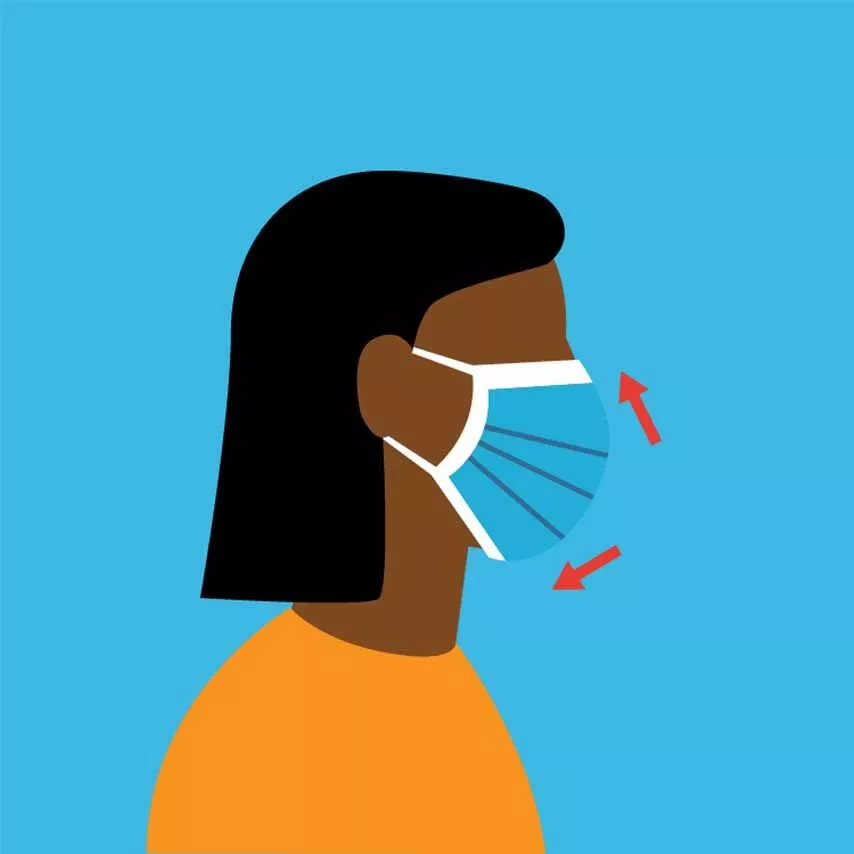
Ensure the mask fits to cover your nose, mouth, and jawline. In the event that you change the mask to cover those zones, wash your hands previously, then after the fact.

Ensure you can inhale and talk serenely through your mask.
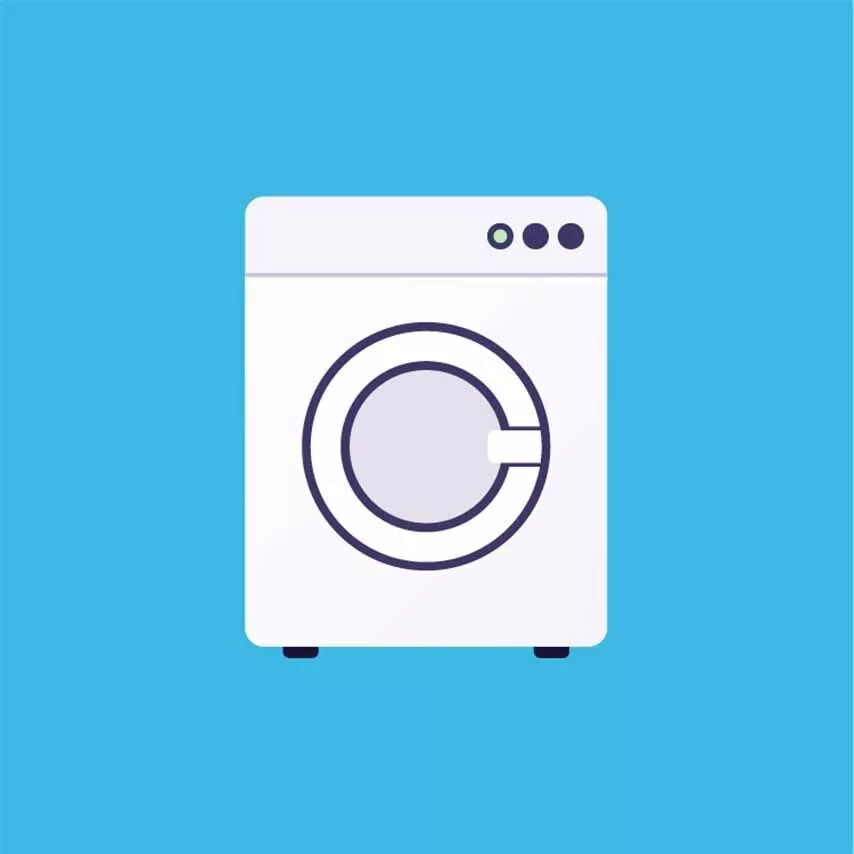
Wash reusable masks after each utilization. On the off chance that the mask is dispensable, dispose of it when noticeably dirty or harmed.
TO PROTECT YOURSELF AND OTHERS, AVOID THESE COMMON MASK-WEARING MISTAKES
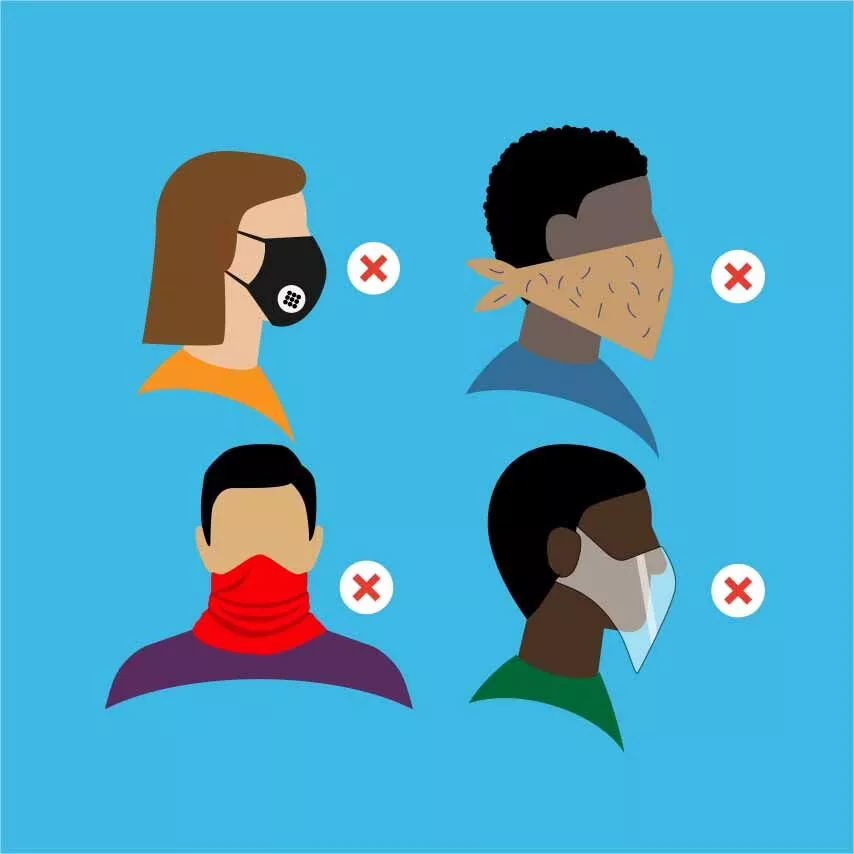
We don’t suggest wearing handkerchiefs, gaiters, masks with exhalation valves or clear safeguard like face masks as face covers.
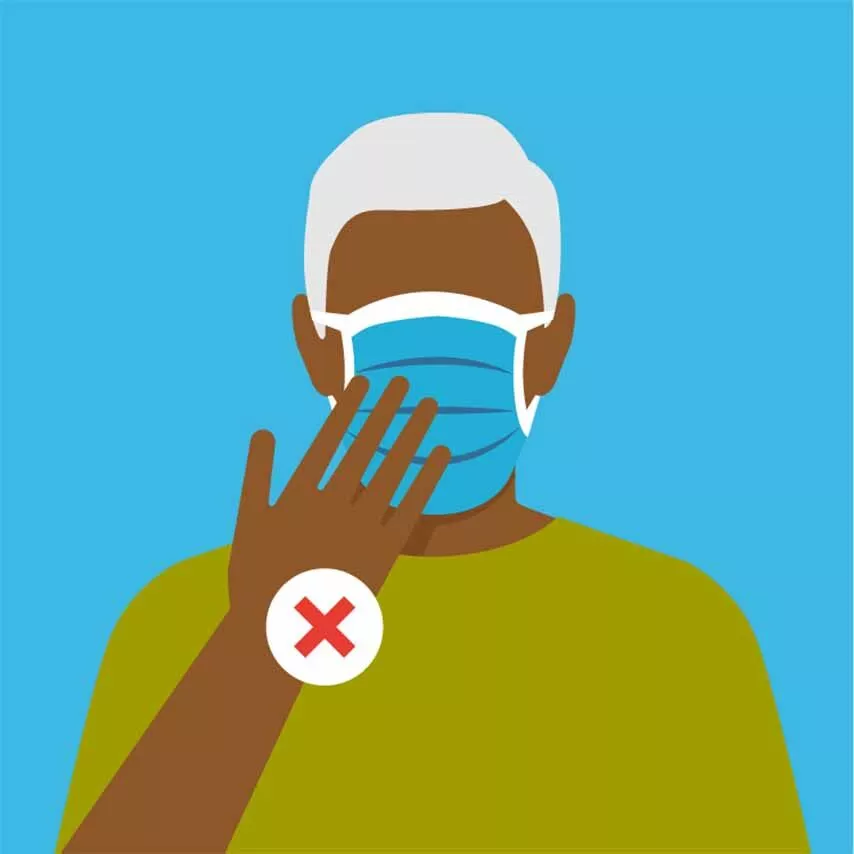
Try not to contact your or your kid’s mask while it is being worn.
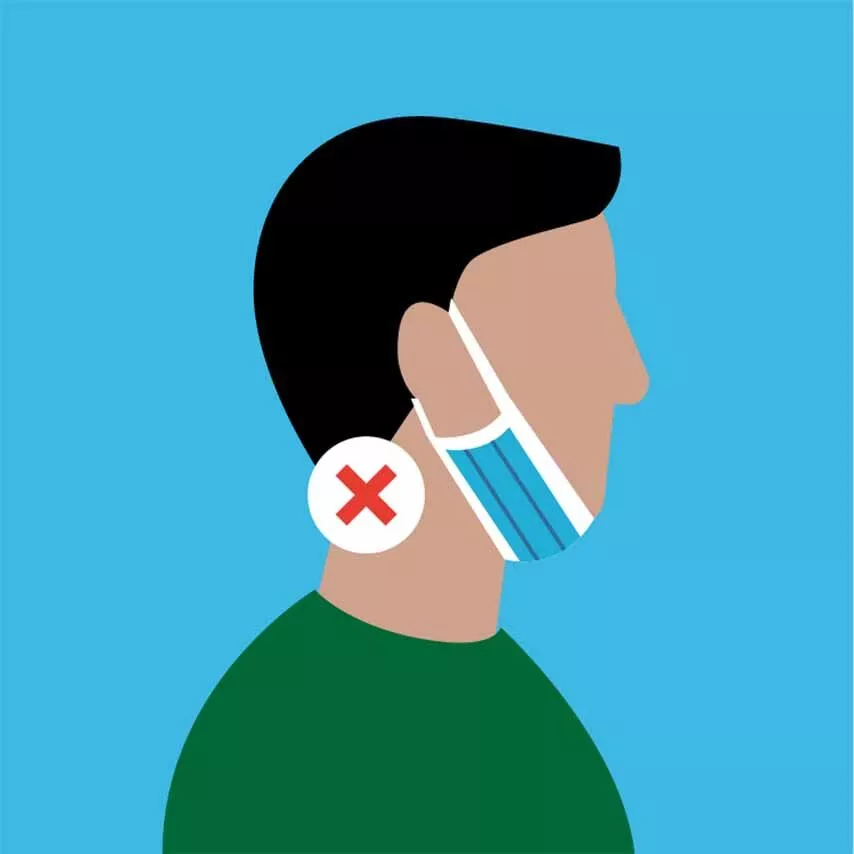
Don’t wear the mask under your jaw with your nose and mouth uncovered.
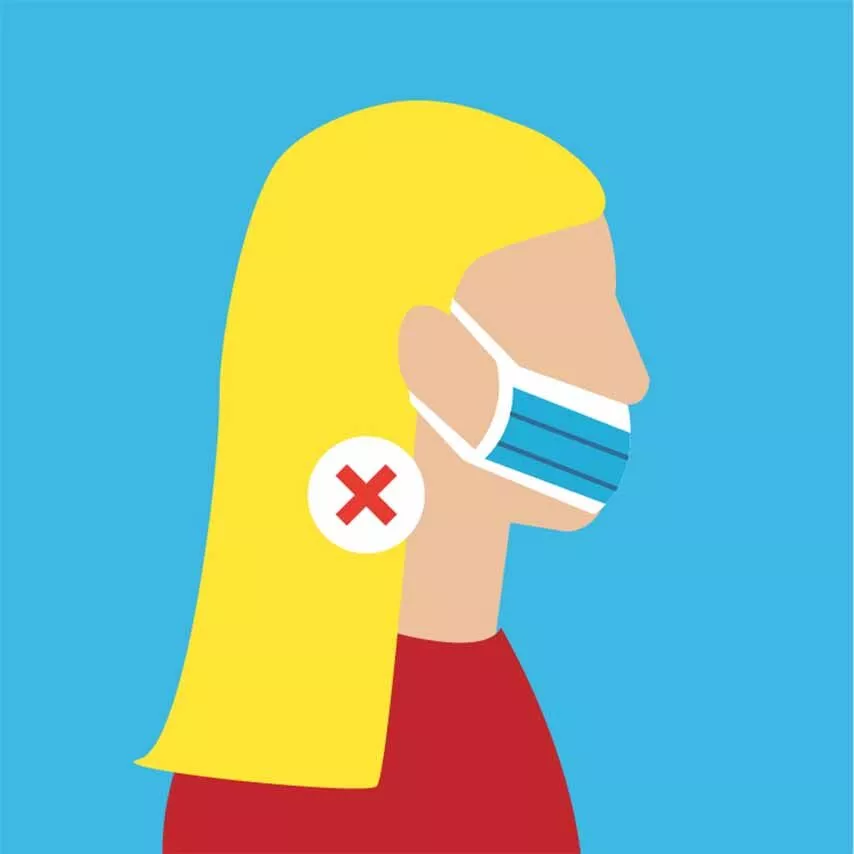
Don’t leave your nose or mouth revealed
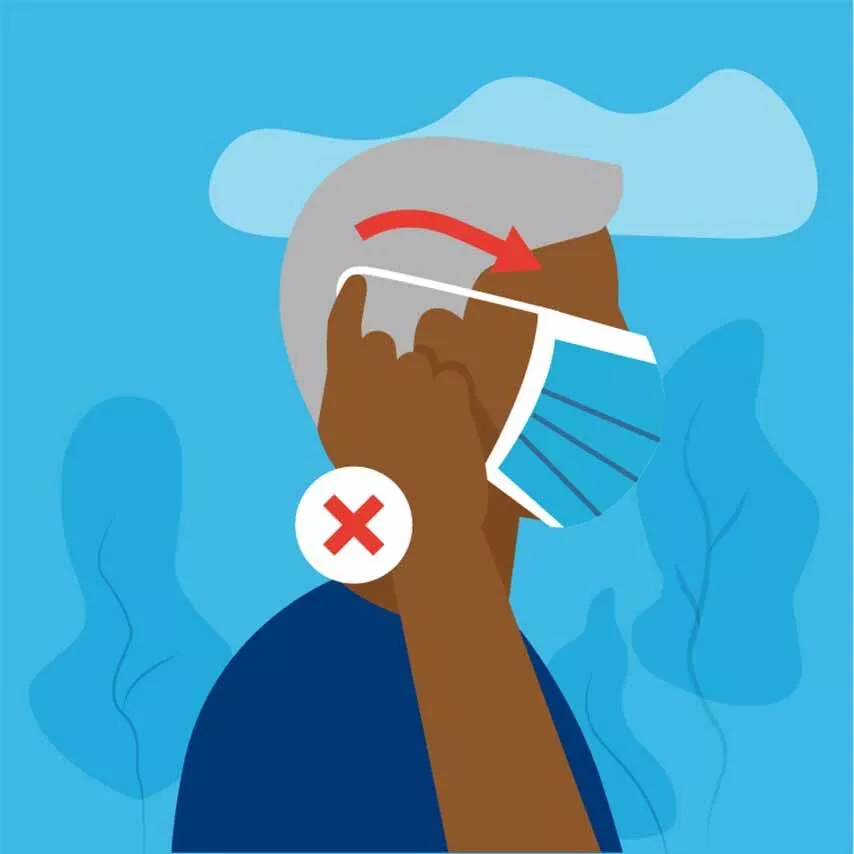
Don’t remove the mask while around others out in the open.
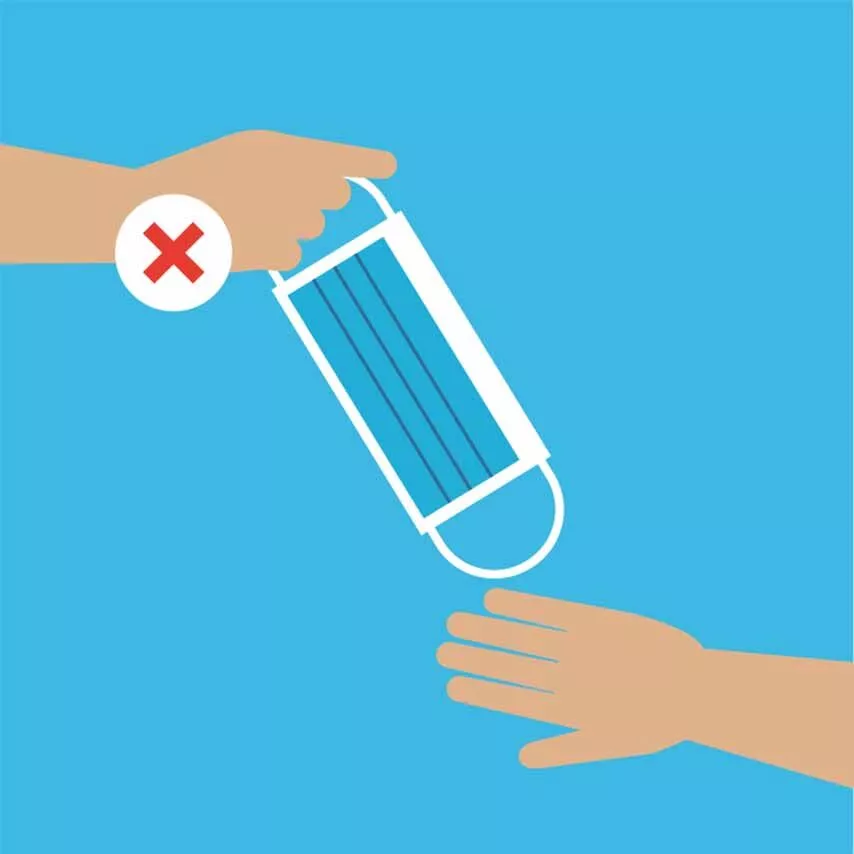
Don’t share your mask with relatives or companions.
How to properly wear a face mask CDC Guide
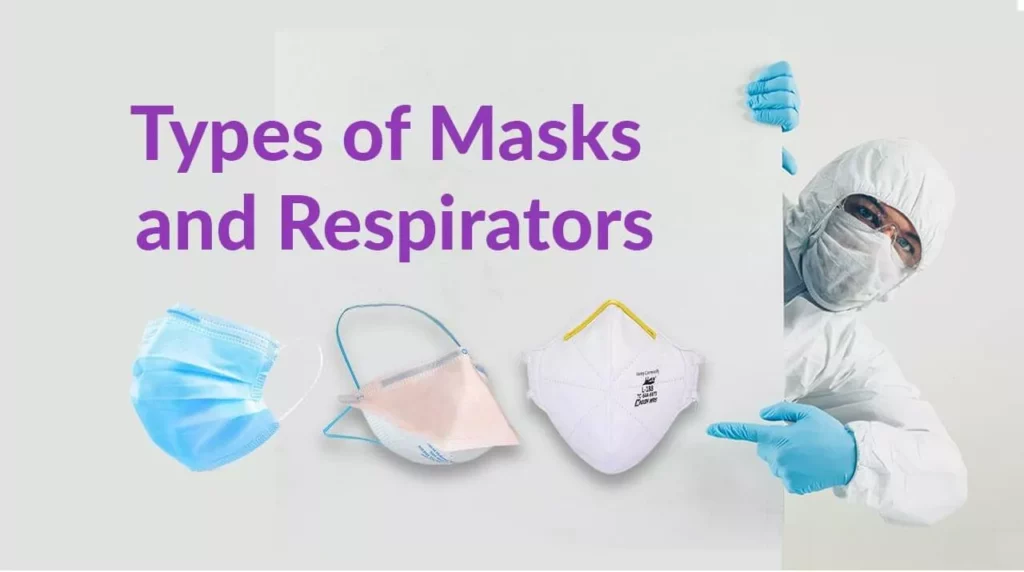
“Types of Masks and Respirators” article to the CDC. By the way, the article was updated Jan 28.
Key Messages:
- Masking is a critical public health tool for preventing spread of COVID-19, and it is important to remember that any mask is better than no mask.
- To protect yourself and others from COVID-19, CDC continues to recommend that you wear the most protective mask you can that fits well and that you will wear consistently.
- Masks and respirators are effective at reducing transmission of SARS-CoV-2, the virus that causes COVID-19, when worn consistently and correctly.
- Some masks and respirators offer higher levels of protection than others, and some may be harder to tolerate or wear consistently than others. It is most important to wear a well-fitted mask or respirator correctly that is comfortable for you and that provides good protection.
- While all masks and respirators provide some level of protection, properly fitted respirators provide the highest level of protection. Wearing a highly protective mask or respirator may be most important for certain higher risk situations, or by some people at increased risk for severe disease.
- CDC’s mask recommendations provide information that people can use to improve how well their masks protect them.
This page describes different types of masks and respirators that you can use to protect yourself and others from getting and spreading COVID-19. Masks and respirators can provide varying degrees of protection, with well-fitting National Institute for Occupational Safety and Health (NIOSH)-approved respirators offering the most protection. Masking is a critical public health tool for preventing the spread of COVID-19, and it is important to remember that any mask is better than no mask. This page presents options in order of least to most protective. To protect yourself and others from COVID-19, CDC continues to recommend that you wear the most protective mask you can that fits well and that you will wear consistently.
Types of Masks and Respirators
Masks are made to contain droplets and particles you breathe, cough, or sneeze out. If they fit closely to the face, they can also provide you some protection from particles spread by others, including the virus that causes COVID-19.
Respirators are made to protect you by filtering the air and fitting closely on the face to filter out particles, including the virus that causes COVID-19. They can also contain droplets and particles you breathe, cough, or sneeze out so you do not spread them to others.
Choosing a Mask or Respirator for Different Situations
Masks and respirators (i.e., specialized filtering masks such as “N95s”) can provide different levels of protection depending on the type of mask and how they are used. Loosely woven cloth products provide the least protection, layered finely woven products offer more protection, well-fitting disposable surgical masks and KN95s offer even more protection, and well-fitting NIOSH-approved respirators (including N95s) offer the highest level of protection.
Whatever product you choose, it should provide a good fit (i.e., fitting closely on the face without any gaps along the edges or around the nose) and be comfortable enough when worn properly (covering your nose and mouth) so that you can keep it on when you need to. Learn how to improve how well your mask protects you by visiting CDC’s Improve How Your Mask Protects You page.
A respirator has better filtration, and if worn properly the whole time it is in use, can provide a higher level of protection than a cloth or procedural mask. A mask or respirator will be less effective if it fits poorly or if you wear it improperly or take it off frequently. Individuals may consider the situation and other factors when choosing a mask or respirator that offers greater protection.
- When caring for someone who is sick with COVID-19.
- If you are at increased risk for severe illness, for example, people who are immunocompromised, older adults, and people with certain underlying medical conditions.
- When working at a job where you interact with large numbers of the public, especially when not everyone is consistently wearing a mask. For example, bus drivers and grocery store workers.
- When riding on planes, buses, trains, or other forms of public transportation*, especially if it is for a long period of time on crowded conveyances.
- When physical distancing is not possible or when you are in crowded indoor or outdoor public settings.
- If you are not up to date on COVID-19 vaccinations.
Masks
When choosing a mask, look at how well it fits. Gaps can let air with respiratory droplets leak in and out around the edges of the mask. Gaps can be caused by choosing the wrong size or type of mask and when a mask is worn with facial hair.
It is important to check that it fits snugly over your nose, mouth, and chin.
- Check for gaps by cupping your hands around the outside edges of the mask.
- Make sure no air is flowing from the area near your eyes or from the sides of the mask.
- If the mask has a good fit, you will feel warm air come through the front of the mask and may be able to see the mask material move in and out with each breath.
Cloth Masks
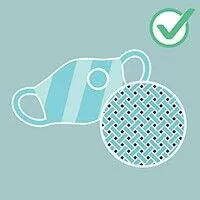
Wear cloth masks with
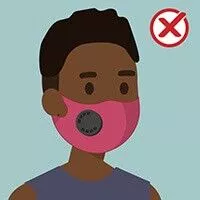
Do NOT wear cloth masks with
- Gaps around the sides of the face or nose
- Exhalation valves, vents, or other openings (see example)
- Single-layer fabric or those made of thin fabric that don’t block light
- Wet or dirty material
Procedure Masks
Disposable procedure masks are widely available. They are sometimes referred to as surgical masks or medical procedure masks.
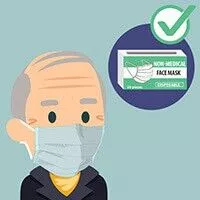
Wear procedure masks with
- A proper fit over your nose, mouth, and chin to prevent leaks
- Multiple layers of non-woven material
- A nose wire
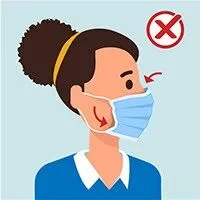
Do NOT wear procedure masks with
- Gaps around the sides of the face or nose (see example)
- Wet or dirty material
Ways to have better fit and extra protection with cloth and disposable masks
- Wear two masks (disposable mask underneath AND cloth mask on top)
- Combine either a cloth mask or disposable mask with a fitter or brace
- Knot and tuck ear loops of a 3-ply mask where they join the edge of the mask
– For disposable procedure masks, fold and tuck the unneeded material under the edges. (For instructions, see the following https://youtu.be/GzTAZDsNBe0external) - Use masks that attach behind the neck and head with either elastic bands or ties (instead of ear loops)
Masks that Meet a Standard
Some masks are designed and tested to ensure they perform at a consistent level. These masks are labeled to tell you what standard they meet. These masks are labeled:
These are new standards. Lists of masks that meet these standards and more information on their availability can be found on the NIOSH Personal Protective Equipment Information (PPE-Info) webpage. These masks have markings printed on the product to indicate they are authentic.
Follow manufacturer’s instructions on how to wear, store, and clean or properly dispose of the mask. These should be worn according to the manufacturer’s instructions without modifications.

Wear masks that meet a standard with
- A proper fit over your nose and mouth to prevent leaks
- Multiple layers of non-woven material
- A nose wire
Do NOT wear masks that meet a standard
- If it is hard to breathe while wearing them
- If they are wet or dirty
- With other masks or respirators
- As a replacement for NIOSH-approved respiratory protection when required by your job
Respirators
When choosing a respirator, look at how well it fits and read the manufacturer instructions. These instructions should include information on how to wear, store, and clean or properly dispose of the respirator. Respirators have markings printed on the product to indicate they are authentic, see appropriate N95 markingsimage and KN95 markings.
It is important for respirators to form a seal to the face to work properly. Gaps can let air with respiratory droplets leak in and out around the edges of the mask. Gaps can be caused by choosing the wrong size or type of respirator or when a respirator is worn with facial hair.
It is important to determine if your respirator fits properly. NIOSH and OSHA have developed a video and factsheetpdf icon demonstrating how to determine if the respirator fits properly (user seal check) and how to properly put on and take off a respirator. The information in the video and factsheet about how to use an N95 respirator also applies to international respirators, like KN95 respirators.
Most publicly available respirators are disposable and should be discarded when they are dirty, damaged, or difficult to breathe through.
More information on these two types of respirators is provided below.
Respirators that Meet International Standards
Some respirators are designed and tested to meet international standards. The most widely available respirators that meet an international standard are KN95 respirators. Other examples include 1st, DL2, DL3, DS2, DS3, FFP2, FFP3, KN100, KP95, KP100, P2, P3, PFF2, PFF3, R95, and Special.
What to know about international respirators
- They are designed to standards that do not often have a quality requirement.
- They filter varying levels of particles in the air depending on the standard they are designed to meet.
- They seal tightly to your face when fitted properly.
- It is important to pick a respirator that fits your face and seals well since not all fit the same.
Do NOT wear international respirators
- If they have exhalation valves, vents, or other openings
- If it is hard to breathe while wearing them
- If they are wet or dirty
- With other masks or respirators
- As a replacement for NIOSH-approved respiratory protection when required by your job
NIOSH-Approved Respirators
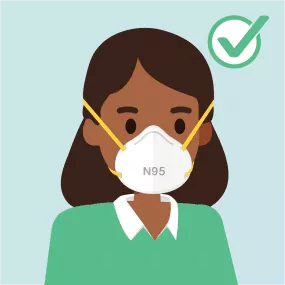
NIOSH approves many types of filtering facepiece respirators. The most widely available are N95 respirators, but other types (N99, N100, P95, P99, P100, R95, R99, and R100) offer the same or better protection as an N95 respirator. Lists of respirators that are NIOSH-approved can be found on the NIOSH-Approved Particulate Filtering Facepiece Respirators webpage.
CDC recommends that specially labeled “surgical” N95 respirators — a special subtype of N95 respirators that provide additional protection against hazards present during medical procedures, such as blood splatter — should be reserved for use by healthcare personnel.
-
Employers who want to distribute N95 respirators to employees shall follow an Occupational Safety and Health (OSHA) respiratory protection programexternal .
What to know about NIOSH-approved respirators
- When worn consistently and properly, they provide the highest level of protection from particles, including the virus that causes COVID-19. Additionally, they contain your respiratory droplets and particles so you do not expose others.
- They seal tightly to your face when fitted properly.
- It is important to pick a respirator that fits your face and seals well since not all fit the same.
- Respirators approved by NIOSH are evaluated against a specific US standard that includes a quality requirement.
- They filter at least 95% of particles in the air when approved by NIOSH and when you have a proper fit.
Do NOT wear NIOSH-approved respirators
- If it is hard to breathe while wearing them
- If they are wet or dirty
- With other masks or respirators
Considerations for Children
Masks
Anyone ages 2 years or older who is not vaccinated or not up to date on vaccines should wear masks in indoor public spaces. This recommendation also applies to people who are up to date on their vaccines when they are in an area of substantial or high transmission. CDC also currently recommends universal indoor masking for all teachers, staff, students, and visitors to K-12 schools, regardless of their vaccination status or the area’s transmission rates. The benefits of mask-wearing are well-established.
Respirators
Parents and caregivers may have questions about NIOSH-approved respirators (such as N95s) for children. Although respirators may be available in smaller sizes, they are typically designed to be used by adults in workplaces, and therefore have not been tested for broad use in children.
Selecting Masks
- Masks and respirators should not be worn by children younger than 2 years.
- Choose a well-fitting and comfortable mask or respirator that your child can wear properly. A poorly fitting or uncomfortable mask or respirator might be worn incorrectly or removed often, and that would reduce its intended benefits.
- Choose a size that fits over the child’s nose and under the chin but does not impair vision.
- Follow the user instructions for the mask or respirator. These instructions may show how to make sure the product fits properly.
- Some types of masks and respirators may feel different if your child is used to wearing a regular cloth or disposable procedure masks.
Safety precautions
- If your child has a medical condition, such as a heart or lung problem, ask their healthcare provider before they use methods to improve mask fit or use an ASTM F3502 mask or a respirator.
- If your child has a hard time breathing, gets dizzy, or has other symptoms while you are trying to get the mask to fit better or when using an ASTM F3502 mask or a respirator, choose a regular cloth or disposable mask. They should continue to follow CDC guidance to protect themselves and others. Consult your healthcare provider if these symptoms do not resolve.
Alternative Masks for Special Situations
Clear masks or cloth masks with a clear plastic panel are an alternative type of mask that may be helpful when interacting with certain groups of people, such as:
- People who are deaf or hard of hearing
- Young children or students learning to read
- Students learning a new language
- People with disabilities
- People who need to see the proper shape of the mouth for making appropriate vowel sounds
The FDA cleared for marketing a transparent medical mask. These transparent medical masks should be reserved for use by healthcare workers and patients who require them.
If you use this type of mask, make sure
- You can breathe easily
- Excess moisture does not collect on the inside of the mask

The latest recommendation from the CDC is to wear the most protective mask possible, ensuring that it fits well and provides proper filtration; this includes N95 and KN95 masks and respirators. BargainPPE.com has the highest quality face masks and respirators available in the U.S. at surprisingly low prices.
With the ongoing pandemic, along with the Omicron surge across the country, it is critical that medical professionals, essential workers, and the general public have access to high-quality masks and respirators, for their own protection and to prevent spreading the infection to others. Many hospitals across the country are reaching capacity, while some have postponed medical procedures to free up hospital beds. As high-risk workers continue to combat this virus, they need consistent access to high-quality PPE equipment for the foreseeable future. And so do their families and friends.
The recent surge of Omicron cases has also increased demand for Rapid Antigen Test Kits and, although governments have distributed many kits, they have become more difficult to find on the market and more expensive. Well-documented shortages are forcing businesses to rely more heavily on the private sector to provide these supplies, and BargainPPE.com is stepping up to fill that need.
BargainPPE is committed to sourcing the highest quality PPE equipment from reliable manufacturers, in the United States and around the world. By purchasing directly from manufacturers and importers in quantity, and keeping overheads down, it is can pass along significant savings to healthcare institutions and other commercial and industrial sectors.
Through this wholesale model, BargainPPE can offer prices far below the competition. Take for example the extremely popular NIOSH-approved Harley L-188 N95 respirator. That mask is sold from $0.60 to $1.40 per mask depending on quantity, as compared to the $2 to $3 range charged by most competitors in retail and online stores.
This Harley L-188 Respirator Face has often been worn by Dr. Anthony Fauci, Director of the National Institute of Allergy and Infectious Diseases, and Chief Medical Advisor to President Biden. He knows his masks! While providing maximum protection, it can comfortably be worn for extended periods.
BargainPPE’s inventory also includes additional masks, such as 3-ply surgical or procedure masks, KN95 masks, and Halyard N95 respirators — all available for immediate delivery from US stocks. The CDC now recommends that people wearing cloth masks place a non-woven disposable mask (such as a 3-ply surgical mask) underneath for better protection. The cloth mask may help the standard 3-ply mask seal against infiltration, and the 3-ply mask provides far better protection than a standard cloth mask.
Recent changes in testing procedures imposed on American workers and their employers have also put an incredible strain on supplies of POC and OTC test kits across the country. Bargain PPE has a selection of rapid at-home COVID testing kits available for immediate delivery in the U.S., including such well-known products as:
- Abbott BINAXNOW™ Rapid Antigen Home Test
- CareStart™ Rapid Antigen Home Test
- FlowFlex Rapid Antigen Home Test
- Celltrion Rapid Antigen Home Test
- Health Rapid Antigen Home Test
- Sienna Rapid Antigen POC Test
These tests are available in bulk to help businesses meet their testing requirements. Supplies and pricing of specific test kits are subject to change from day today.
BargainPPE has other protective equipment available for immediate delivery, including nitrile gloves, and isolation gowns, face shields, and disinfectant wipes.
Not only does BargainPPE offer competitive prices, but its Mid-Winter Sale is offering 10 percent off all products through the end of February. Its goal is to ensure medical and support staff working in hospitals, long-term care facilities, group homes, and other high-risk environments have access to the proper protective gear. When placing an order use coupon code “FEB22” to receive 10 percent off from Bargain PPE.
To see the full selection of available PPE equipment, including face masks and Test Kits visit: https://bargainppe.com
About Bargain PPE:
BargainPPE is a wholesale supplier of PPE and related supplies for health care organizations, medical/dental professionals, and another commercial, educational and industrial organizations. Bargain PPE offers free shipping within the lower 48 states.
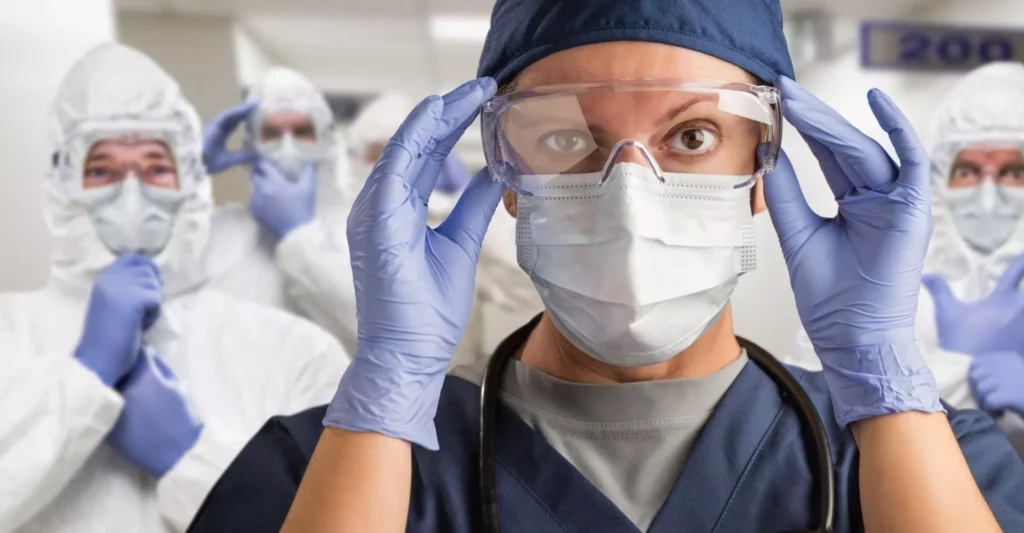
It is common knowledge that PPE supply chains world-wide have been under considerable pressure ever since the onset of Covid-19 in March of 2020. In the United States and many other countries frontline healthcare workers in particular have been deprived of much-needed PPE supplies. If you are in the market for high-quality PPE at wholesale prices, look no further than Bargain PPE. We are your source for wholesale PPE supplies at prices that will fit your budget. With a wide selection of products, we have everything you need to keep you and your staff safe while on the job.
When you’re stocking up on personal protective equipment, it’s important to find a supplier that can offer you great prices without compromising quality. When it comes to Covid-19, front-line workers and citizens alike need to take every possible precaution, ensuring vaccinations are fully up to date, as well as wearing masks and other personal protective equipment suitable for the level of exposure. Not only have high quality masks and other PPE been in short supply and difficult to find, but pricing offered by many wholesalers has been sky high.
Recognizing shortfalls in supply and high pricing, Bargain PPE has dedicated its efforts to finding much-needed solutions. Whether you need masks, gloves, or anything else in the PPE line, we have you covered. Contact us today to learn more!
Products & Prices
We specialize in providing high-quality masks and PPE supplies to healthcare organizations, medical professionals and other industries at unbeatable prices. We work directly with manufacturers who share our commitment to highest product quality are prepared to supply those products to us at low prices. And by keeping overheads to a minimum we can pass big savings on to our wholesale customers.
Some specialized PPE products are manufactured to meet your exact requirements and delivered to you directly by the container load at incredibly affordable prices. Tell us what you’re looking for and we will prepare a proposal for your consideration.
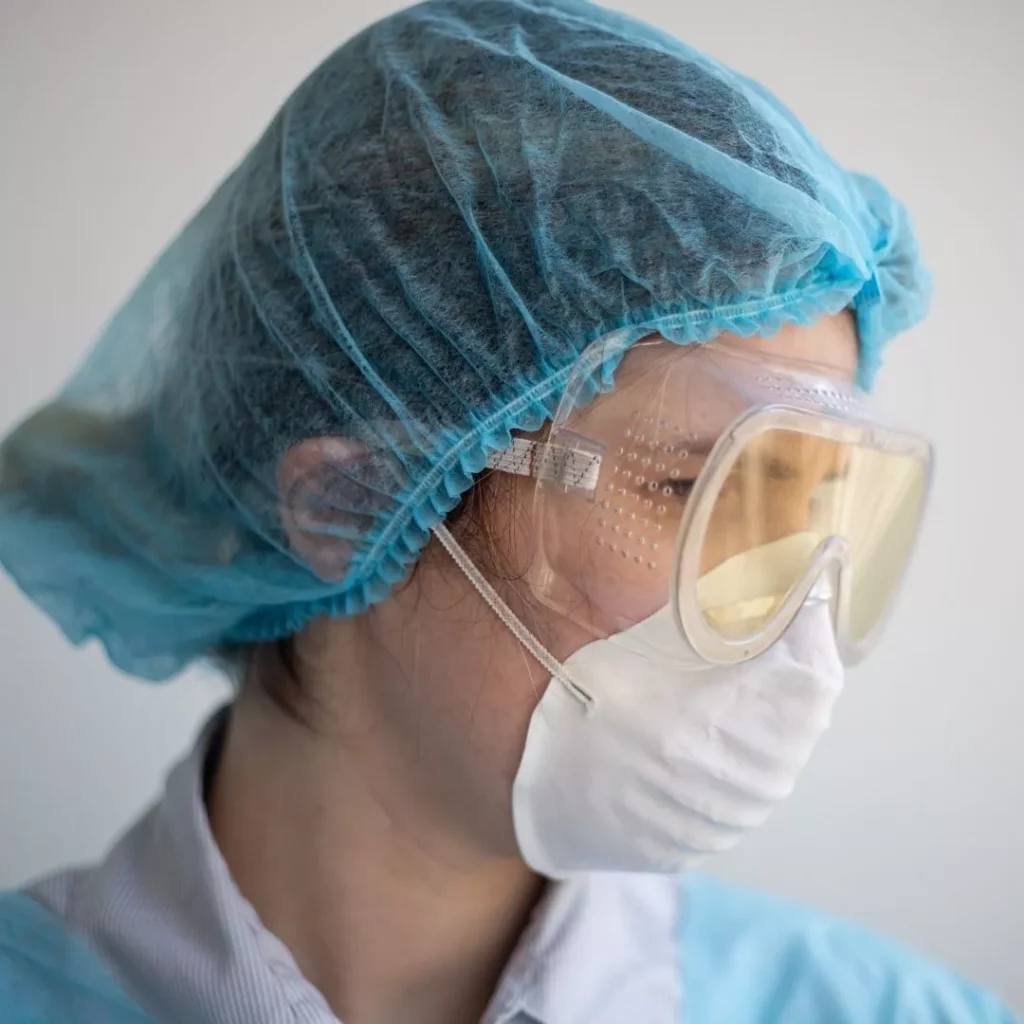
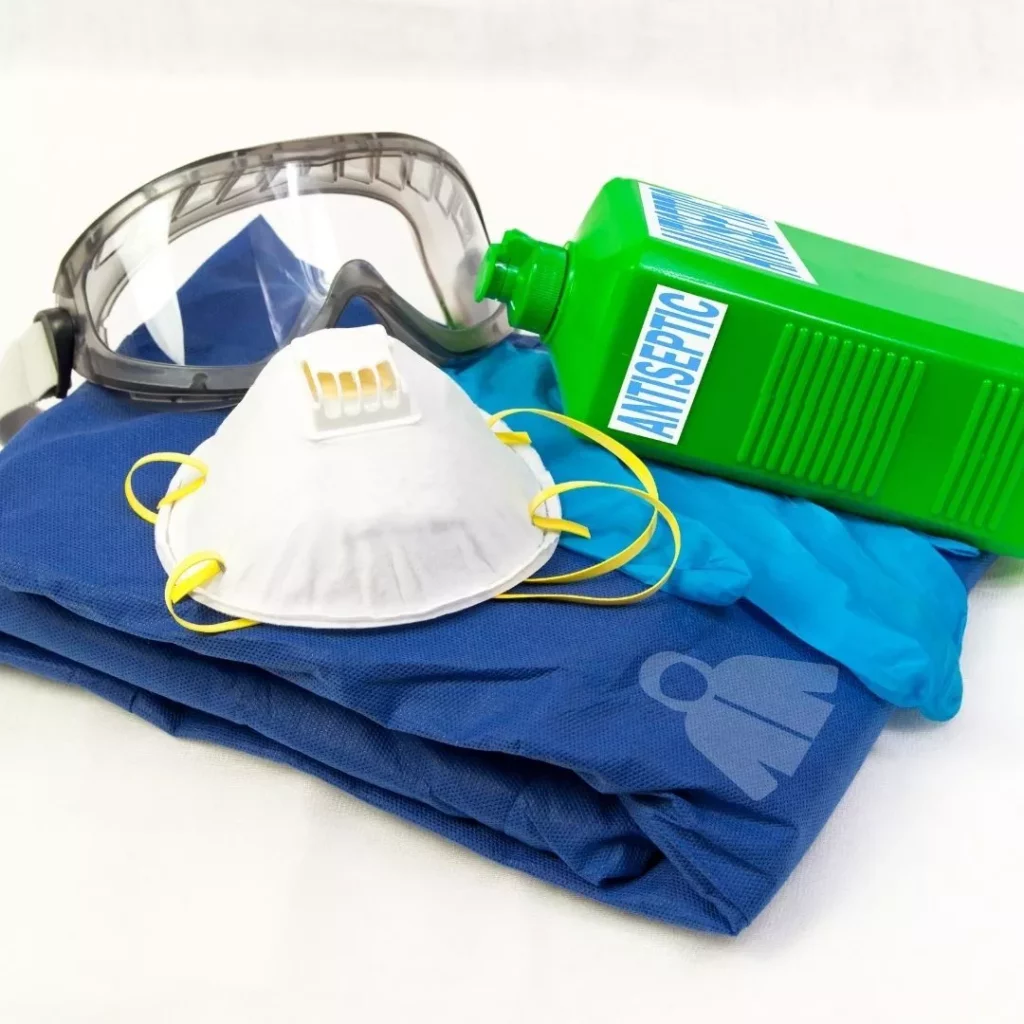
Shipped from Warehouses in the USA
One of the most striking effects of the Covid-19 pandemic was the stranglehold it put on the acquisition of personal protective equipment for frontline employees. In most circumstances Bargain PPE can ship directly to healthcare and other industries from warehouses in the United States. We can immediately deliver the following items:
- Infrared Thermometer
- Face Shields
- Disinfectant Wipes
- Nitrile Gloves
- Isolation Gowns
Supplies in Bulk
For the health and safety of all our clients, we support the proper use and disposal of all personal protective equipment. We understand that used products must be discarded, and therefore a good backup stock of PPE is required to adequately protect against unexpected needs and future supply chain disruptions. Bargain PPE is delighted to serve as your bulk supplier of critical cost-effective PPE.
While the pandemic may not have received as much attention in the news media recently it has not gone away. Your healthcare facility must stay prepared for whatever comes next, and being prepared includes having an adequate supply of personal protective equipment before that happens.


Discounts & Savings
We have an extensive selection of protective products for your staff. As you accumulate items from our store you experience savings. From respirators and masks to coveralls and gloves, Bargain PPE is the premier wholesale supplier of PPE for the United States.
Buying bulk supplies from Bargain PPE can help your company maintain a large stock of quality products, in addition to generating savings. Shop and save 10% on your next purchase with our exclusive coupon for first-time buyers! Hurry, get your hands on some of this great gear while supplies last!
It is more important than ever to make sure you have the supplies you need to protect your staff and their patients. At our online store, we offer an extensive selection of high-quality PPE supplies at unbeatable prices. We also offer bulk discounts and fast shipping from USA warehouses so that you can get the supplies you need, as cheaply and quickly as possible. Make sure to check out our selection today and take advantage of our 10% coupon for first-time buyers!
We believe that everyone should have access to the highest quality PPE supplies. Bargain PPE is committed to providing world-class products for our customers, at prices that cannot be beaten. We work hard with manufacturers around the globe so you can have peace of mind when it comes time to make your purchase decision. For inquiries or orders, please contact us today!

“Anyone for out-of-date PPE?” article to the Corona Diaries. By the way, the article was updated Friday 22 May 2020.
Can you trust PPE that has expired?
Sometimes, what I see forces me to double-take, especially as we Londoners are being reassured that life is inching better. For so long I have heard the sound of ambulances in the background as yet another sad case of Covid-19 is fast-tracked to the hospital. Those are fewer now, as the capital’s hospital admissions are steadily declining. Today I saw no ambulance, but I did see a hearse outside a house. The sight brought it home that so much of what my country has been doing, over the past few months, has been to stop folk from dying. Today was evidence of failure, there have been plenty of those in past weeks, as another unfortunate had chosen to die at home. The hearse was my reminder that there is still a way to go.
Each morning, my first act is to check the chart of global Covid-19 put together by the USA’s Johns Hopkins University. Anything in red is infected, anything dark grey remains clean. Over the last three months, I have watched the red blotches slowly expanding worldwide. Once it was China, then that became smaller. Then it was Europe and next to the USA. Now, North America is a massive red splodge while South America is hot on its heels. Africa is slower but that, too, is becoming redder, especially in its west. There are few countries unaffected. Remote Pacific islands have the disease, Greenland has it, Iceland has it, and other countries of which I have never heard. Antarctica looks still to be free of Covid-19, so I have placed it on my list of future destinations, once mankind allows itself to travel. But for each of these infected lands, the hearses will be busy, their peoples both suspicious and sad. Survival does that. If you wish to stay alive, you must be wary. Imagine there is something out to get you at all times. In reality, there probably is.
To emphasize my worry, I had a mobile call from a friend only yesterday. He works in healthcare and is at the tip of the frontmost frontline. He is doing his best in a care home, the sector that was so clearly ignored and only now is coming to the fore. His care home, as with so many others, has had its fair share of tragedy.
‘They’re out of date,” he half-shouted in a way that made him hard to understand. When he hollered, and I listened, my mobile crackled.
“What’s out of date?” I asked.
“The masks. The bloody masks. The idiots have sent us PPE that expired ages ago.” His once confident tone had changed. I sensed he was frightened and yet he is not someone who scares easily.
His story then burst out, his words so rapid I could barely make sense of what he said. His care home was busy, it had already suffered numerous deaths, and the staff needed maximum protection. As it was, nearly 20% of the staff were isolated, either through disease or because they were worried. Most healthcare workers these days know of colleagues who have perished. However much our government may wish this country to feel bright and happy, behind the scenes there are plenty who must still deal with the virus and will be struggling with its effects for a generation. These healthcare workers remain at risk and still need the protection they have been promised.
Expiry dates are a big deal in modern medicine. Most drugs and items will carry a date stamp, just like a bottle of milk from the supermarket. No one, ever, uses time-expired items. At least that was how we were all trained. On very rare occasions, when I have worked in remoter countries and have exhausted my normal supplies, I might resort to using out-of-date items. I feel guilty if I do and know I am not alone with that shame. These days, even the less advantaged countries turn up their noses at out-of-date supplies.

It may look good but does it work?
When it comes to medicines, since 1979 the US Food & Drug Administration (FDA) has required an expiration date on everything, whether prescription or over-the-counter. This is on the basis that expired medical products can be less effective, or even more risky. Some drugs can actually change their composition as they age. For example, certain antibiotics, as they decay, can encourage bacterial growth rather than inhibit it.
Aran Maree, Chief Medical Officer for Janssen Pharmaceuticals was asked, “How bad is it to take medicine that’s past its expiration date?”
He replied, “It’s really not a good idea to take expired medication at all.”
The UK’s NHS supports him by declaring, “You should not take medicines after their expiry date.”
For medicines, it is clear. Only under exceptional circumstances would you consider using time-expired drugs. Mind you, not everyone would agree. Despite requiring all medicines to carry an expiry date, the FDA once undertook a large study at the request of the US military, which had a huge, expensive stockpile of medicines that were way out of date. Surprisingly, the research showed that 90% of the medicines studied were perfectly good to use, even 15 years after the expiry date. It was evident that the cited dates were very conservative.
So much for medicines. How about equipment, facemasks in particular? What is the likely effect on my friend if he uses a mask that is out of date? From a user’s viewpoint, you need to trust your equipment. When at the frontline, you must focus on the patient and not on yourself. Let me start with the mask itself and what is called filtration efficiency. This is the percentage of contaminant, virus, particle, whatever you decide, that can be filtered out by a mask’s material. The aim is for as little contaminant as possible to pass through the mask.
There is also a problem with terminology. There are masks and there are respirators. A mask is one of those blue, green or white things that I see strolling the streets of London, or on good-looking characters during an episode of Holby City. Masks were what I wore for my entire surgical career, are typically donned for a specific procedure and discarded afterward. They are designed to stop me from infecting the patient rather than the patient infecting me. However, a surgical mask does protect me from blood splatter should an artery encounter my knife.
Respirators are different. They must be properly selected, properly put on (donning), and properly removed (doffing). They should be worn all the time when in an infected area. To remove a respirator for only 10% of the time can significantly reduce its protective effect. Most of the white, bell-shaped, mask-like devices shown on video clips of frontline Covid-19 care these days are respirators, not masks.
In brief, masks stop things coming out, while respirators stop things going in, seen from a wearer’s viewpoint.
Filtration efficiency is measured as a percentage. The lower the percentage, the better. Ideally, a mask or respirator should have an efficiency of <5%, which means that only 5% of bad stuff will reach the wearer. That is, a mask should filter out at least 95% of what passes through it. If this happens, a mask or respirator is called N95 in the USA, or FFP2 in UK.
In practice, the UK goes one better, and for procedures that may create an aerosol, use a mask with an FFP3 rating, equivalent to N99 in the USA, and which will filter out 99% of bad stuff. Only 1% gets through.
When it comes to filtering out the virus, Holby City surgical masks are not the best. Filtration efficiency of 50% has been reported. That means half of what hits the outside will pass through and reach the wearer. On a Covid-19 ward, that is the last thing I would seek. For me, I want a respirator, please. This should be at least FFP2 (or N95) but ideally FFP3 (or N99).
Enter expiry dates and whether these are important. To say that a mask is ineffective once it gets past its expiry date is wrong, although one cannot be complacent. For example, the Centers for Disease Control and Prevention (CDC) in the USA looked at this, albeit for N95 respirators, and concluded:
“Consideration can be made to use N95 respirators beyond the manufacturer-designated shelf life for care of patients with COVID-19, tuberculosis, measles, and varicella. However, respirators beyond the manufacturer-designated shelf life may not perform to the requirements for which they were certified. Over time, components
You would not want to trust this near Covid-19
such as the straps and nose bridge material may degrade, which can affect the quality of the fit and seal. Many models found in U.S. stockpiles and stockpiles of healthcare facilities have been found to continue to perform in accordance with NIOSH performance standards.”
NIOSH is the US National Institute for Occupational Safety and Health.
The CDC has also stated that an expired respirator may offer more protection than a standard surgical mask, and certainly more than wearing nothing at all.
Dr John Balmes, Professor of Environmental Health Science at Berkeley Public Health stated:
“N95 masks really don’t expire in terms of their functionality. The only part that is subject to damage over time are the elastic bands that attach the mask to the user’s face, which can be damaged by sunlight.”
Most research in this area has involved the N95 designs. Conclusions about other designs are sometimes extrapolations from N95 studies, not necessarily proven facts. It is only a presumption that results for N95 will also apply to, say, N99 (FFP3).
I wanted to know how it was that a friend at the frontline of healthcare was being put through the purgatory of being asked to use a time-expired respirator. Other investigators had been there before me. A news channel in UK, Channel 4, prepared a short documentary about the UK’s PPE stockpile being out of date. Their findings were truly frightening. The country had created a stockpile of PPE after the first SARS epidemic in the early 2000s. The need to do this was emphasised by the H1N1 influenza pandemic in 2009. There was plenty of PPE purchased at the end of that year. Stockpiling, which by its very nature requires prolonged storage, demands massive quantities of equipment.
For example, during the SARS outbreak in Toronto in 2003, in one hospital alone, Sunnybrook Hospital, 18,000 N95 respirators were needed every day. Their filtration performance was not significantly degraded by storage of up to ten years in warehouse conditions. Length of storage seemed to make no difference. This conclusion was not necessarily true for all makes of respirators, or for attachments such as face straps.
Nationwide, for a 42-day influenza pandemic outbreak, the USA calculated it would need 90 million masks, an astonishing number. Imagine how many masks would be required worldwide and it is easy to see how a country can run out.
When the UK was faced with this problem, a shortage of PPE, the stockpile had to be used. Much of it had been bought in 2009 and thus, by 2020, had become time expired. This is where the problem started. Instructions were issued from on high, without explanation to the frontline staff, that it would be fine to use time-expired items. Healthcare is an occupation where those receiving instruction are used to asking questions. It is what medics do for a living. No frontline staff member is likely to believe a bigwig just on say-so, especially if the bigwigs themselves are not exposed to frontline risk.
M, the company that made the respirators, recommended that out-of-date items should be tested. This was performed by an independent testing company and it was then decreed by the Department of Health & Social Care (DHSC), that the time-expired respirators could be used, and their life could be extended. The filters these masks use are inert and appear to have a lengthy shelf-life. The results to support this decision? I have no idea. I have asked for them, others have made the same request. So far, nothing has been provided.
As the pandemic peaked and cases were pouring into hospitals, there was no time to waste. Masks and respirators were sent out to the healthcare facilities quicker than it takes to blink. Some of the expiry dates were adjusted, others were not, no results were made available, and little explanation appears to have reached ground level. No wonder healthcare professionals were upset, remain so, and my friend was ringing in a state.
“How Do I Know If My Respirator Mask Is Expired?” article to the Bona Fide Masks . By the way, the article was updated Sep 07, 2020
One of the most common calls an we receive regarding face masks from our customers is how to know when their respirator mask has expired. We field calls from customers all the time about old N95’s that they have in their garage and if they can use them.
Reputable companies like Guangzhou Powecom Labor Insurance Supplies Co., Ltd. (Powecom), maker of FDA authorized KN95 respirator masks, understand that using a mask is something new for most of us. That’s why Powecom clearly states on each package of face masks, “Discard the face mask when it gets quite dirty or breathing resistance increases remarkably.”
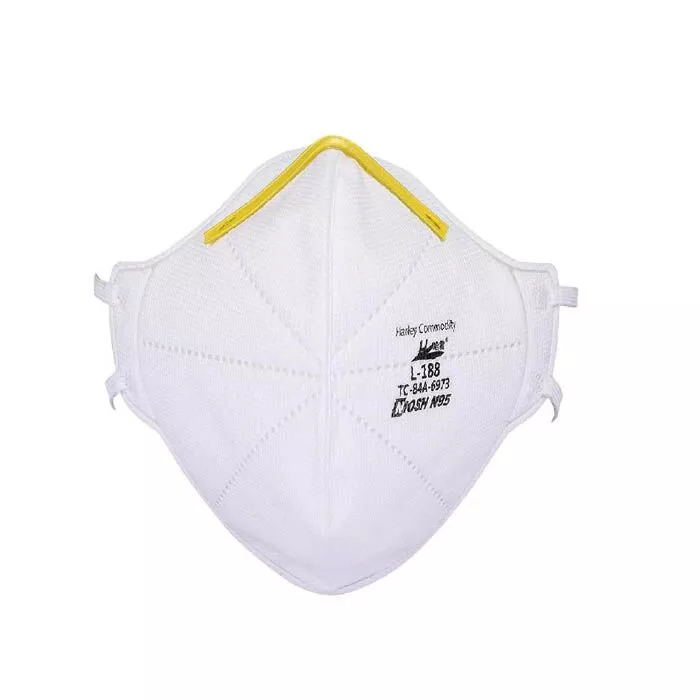
The U.S. Centers for Disease Control and Prevention (CDC) does not require its NIOSH-approved N95 filtering facepiece respirators (FFR) to be marked with an expiration date. CDC advises, “If an FFR does not have an assigned expiration date, you should refer to the user instructions or seek guidance from the specific manufacturer on whether time and storage conditions (such as temperature or humidity) are expected to have an effect on the respirator’s performance and if the respirators are nearing the end of their shelf life.” One example of a NIOSH approved FFR is the Guangzhou Harley Commodity Company, Limited (Harley) N95 seen here:
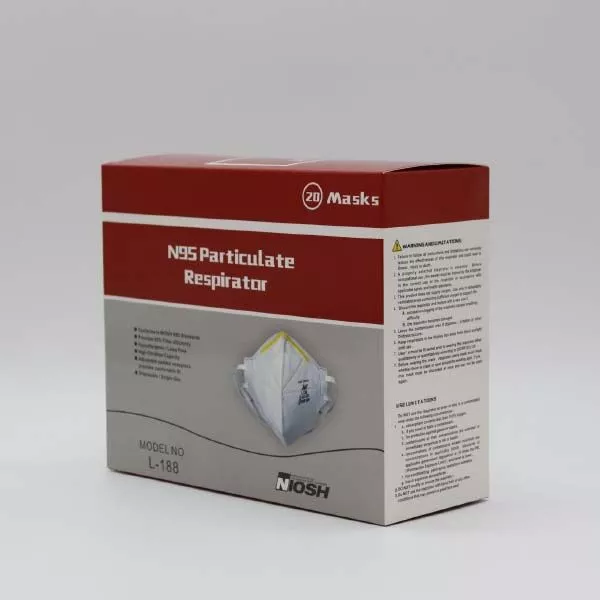
Perhaps the greatest risk to the efficacy of face masks concerns the integrity of the elastic earloops or headbands. “N95 masks really don’t expire in terms of their functionality. The only part that is subject to damage over time, usually past 5 years, are the elastic bands that attach the mask to the user’s face, which can be damaged by sunlight,” according to Dr. John Balmes, Professor of Environmental Health Science at Berkeley Public Health. The good news is that packages for respirator masks like the Powecom KN95s and the Harley N95s conspicuously indicate expiration dates for their products, providing consumers with a guidepost during uncertain times.
“N95 MASKS REALLY DON’T EXPIRE IN TERMS OF THEIR FUNCTIONALITY. THE ONLY PART THAT IS SUBJECT TO DAMAGE OVER TIME, USUALLY PAST 5 YEARS, ARE THE ELASTIC BANDS THAT ATTACH THE MASK TO THE USER’S FACE, WHICH CAN BE DAMAGED BY SUNLIGHT,”
– DR. JOHN BALMES, PROFESSOR OF ENVIRONMENTAL HEALTH SCIENCE AT BERKELEY PUBLIC HEALTH
No matter what respirator mask you purchase, make sure to check for an expiration date to help ensure that the earloop or headband elastics are resilient.
“CHOOSING AND WEARING FACE MASKS: UPDATED GUIDANCE ON WHAT YOU NEED TO KNOW” article to the Dal News. By the way, the article was updated January 27, 2022
While the overall layers of protection we use to protect one another during the pandemic (including vaccines, wearing appropriate face masks, limited social circles, staying home if sick, physical distancing where possible, quality ventilation, etc.) have remained constant in the year since I last wrote for Dal News about selecting and using face masks, global recommendations for face masks have been updated as new variants have emerged and market supply has shifted. It’s more important than ever to be aware of what each mask does, and its strengths and weaknesses.
Dalhousie recently updated its guidance to align with Nova Scotia Public Health’s recommendations that masks offer a minimum of three-layer protection. In this article, we’ll look more closely at what that means and provide advice to choose the mask that works best for you.
Two things have not changed, and they remain the most critical details to keeping you and others safe: your mask has to fit well, and you must wear it properly when around others. No mask, no matter how good it may be, will protect you or others when you wear it under your nose or take it off to finish the rest of your cup of coffee.
Generally two categories of masks
There are two main variables when it comes down to the protection offered by any mask: the filtration capacity of the mask’s fabric, and the amount of air that leaks around a mask via gaps between the mask and the wearer.
For this reason, we’ll start by classifying facemasks into two main categories: looser-fitting face masks such as non-medical (cloth masks) or surgical-type masks, and tight-fitting respirators.
Masks from both categories are suitable for wearing on campus but need to be worn properly and made of appropriate material. Masks that remain not suitable include masks with exhalation valves, plastic Sheils and bandanas, and “neck gaiters”.
Mask category #1: Looser-fitting face masks
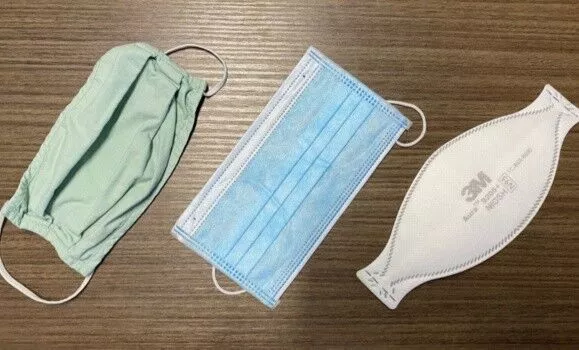
Examples of looser-fitting masks include reusable non-medical (cloth) masks and surgical-style medical masks. Looser-fitting face masks are currently more readily available, cooler and lighter to wear, muffle the voiceless, and are generally easier to breathe through.
a) Re-useable non-medical (cloth) masks
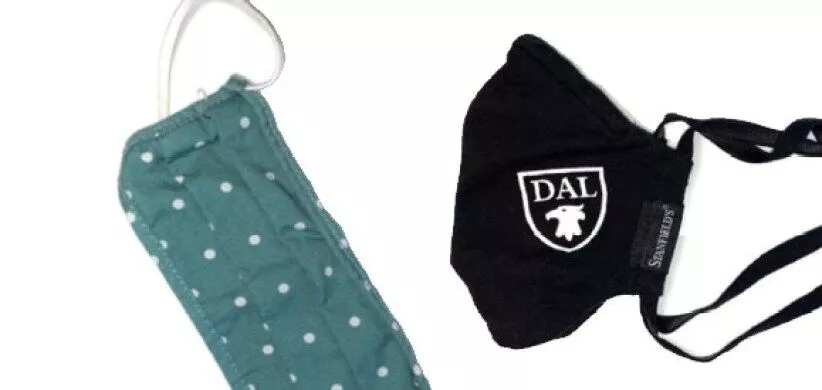
Many of us have spent the past two years relying on a personal stockpile of cloth masks — homemade, store-bought, all colours of the rainbow. Some of these masks may still be appropriate to wear — and some might not.
As the pandemic evolved, recommendations and standards have evolved, and with more infectious variants the construction of your cloth mask is critically important. The guidance at Dalhousie and in Nova Scotia aligns with current recommendations from the World Health Organization that the “ideal combination of material for non-medical masks should include three layers” as follows:
- an innermost layer of a hydrophilic material (e.g. cotton or cotton blends) to absorb moisture you breathe;
- an outermost layer made of hydrophobic material (e.g., polypropylene, polyester, or their blends), which may limit external contamination from penetration through to the wearer’s nose and mouth;
- a middle hydrophobic layer of synthetic non-woven material such as polypropylene or a cotton layer which may enhance filtration or retain droplets.
If you’re at all unsure whether your cloth mask contains three layers, you may want to choose to wear a medically rated/surgical mask instead (see below).
With cloth masks, the fit of a mask can also vary widely. Regardless of the mask type, masks should fit your face well, without any gaps around their perimeter. While nose wires are not required as part of a mask, they often can help to reduce gapping around the bridge of your nose — an area that is a common source of leaks.
b) Medically Rated/Surgical masks
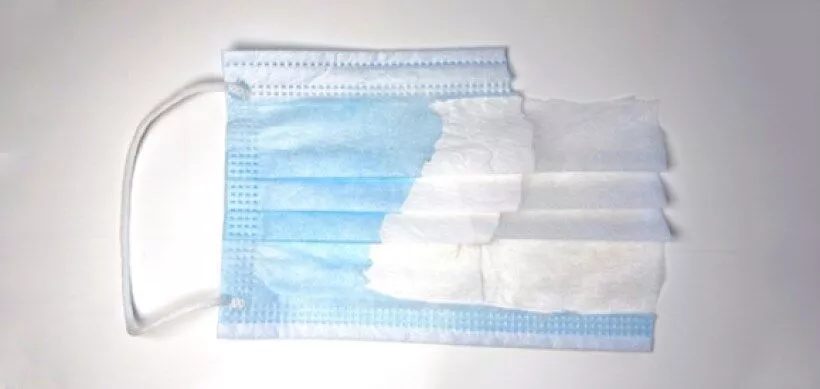
Medically rated surgical-style masks used in Canada and the United States conform to the ASTM F2100 standard and come in a variety of colours depending on the manufacturer. They are all generally constructed of three layers, with the same hydrophilic-filter-hydrophobic makeup that is recommended by the WHO, but they are thoroughly tested to ensure their fabric meets a very high standard of filtration and are graded into one of three levels (1-3).
There is a small difference in infiltration ability between the three levels of these masks (95% for level 1 vs 98% for levels 2 and 3), but the main difference between them is their resistance to blood and other fluids. When it comes to particulate filtration, all three levels of these masks are superior to their cloth counterparts.
While the fabric of these masks filters the air incredibly well, and they are still very effective at protecting others around you from the particles you may exhale, their fit remains the biggest consideration to ensure the best protection for those wearing them. If you go outside on a cold day and see puffs of air coming out from around the sides of your mask, it is not fitting properly and should be adjusted.
c) Tips for improving your mask fit
- Try adjusting the nosepiece to be tighter. If you are having fogging issues on your glasses, a piece of medical tape to seal your mask over the bridge of your nose will eliminate the gap entirely.
- For those with smaller faces, or who see gaps/leaks around the sides of the mask, try the knot and tuck method.
- If the mask is too loose, for masks that ride up, or for those with facial hair that may need a bit of help with the seal of the mask in the beard area, consider tying knots in the earloops to shorten them, which pulls the mask in tighter against the face.
- Consider removing facial hair around the jawline and chin, as it makes it much more difficult to achieve a full seal of any mask.
d) Double masking with cloth and surgical-style masks
Studies have shown that you can see an increase in protection with surgical-style masks if you “double mask”: wearing a well-fitting cloth mask OVER a disposable surgical mask. Doing so helps to pull the surgical mask (which has good filtration fabric) tighter against the wearer’s face, often markedly improving the fit and seal of the mask.
To do this properly, you must wear the surgical-style mask underneath the cloth to get the best seal with the fabric that has the highest filtration. Double masking is not recommended with any other combination of masks. (Two surgical-type masks would not fit as closely and will still have gaps, and respirator-type masks are intended to fully seal against the face by design may be negatively impacted by adding another mask over top.)
Mask category 2: Tight-fitting respirators
These masks are intended to address both the filtration and the fit, and while they also work as source control (capturing viral particles as they are exhaled before others can inhale them), their design was originally intended to protect the wearer from a fully contaminated environment when they are worn properly.
Tight-fitting respirators have been a hot topic of conversation lately and have as many advantages as disadvantages for long-term use (more than a couple of hours). While people may find these sufficiently comfortable for shorter-term periods, such as running to the store or quick meetings here and there, they are often hot and uncomfortable when worn for longer periods of time. In addition, due to their thicker construction, these masks are often harder to breathe through — which can cause issues for people with poor respiratory function.
If you choose to wear a tighter-fitting respirator, be sure to get one that fits you well — remember that gaps in a mask allow completely unfiltered air to pass, which negates the advantages of a tight-fitting respirator.
For the purpose of this article, we will briefly touch on these different respirator types by their country of origin/regulation.
a) N95
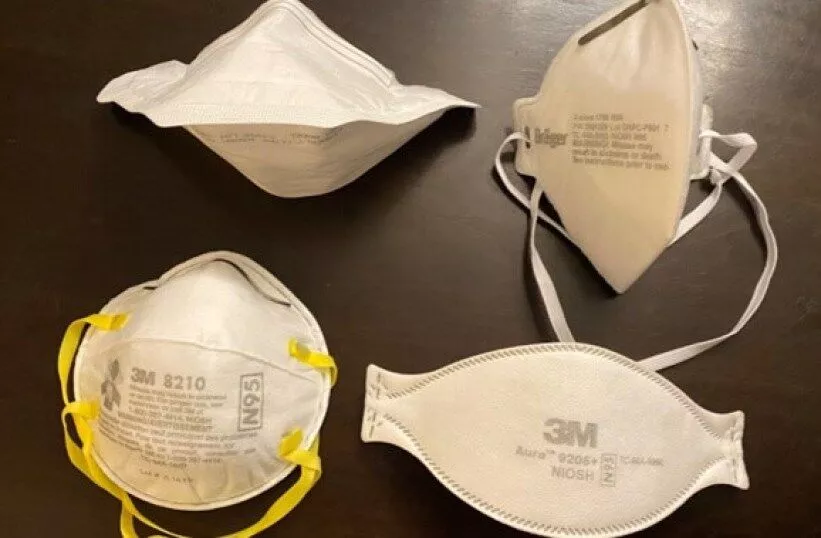
A NIOSH N95 Filtering Facepiece Respirator (commonly referred to as just an “N-95”) are one of a series of tightly fitting respirators regulated by the US National Institute for Occupational Safety and Health (NIOSH) under NIOSH – 42 CFR 84. When their use is required due to an occupational hazard, there are strict standards that must be complied with. (For example, Nova Scotia Occupational Health and Safety Legislation require that the selection, use, maintenance, and testing of respirators, as well as the training of the users, meet CSA Standard Z94.4.) This standard requires both a medical evaluation for suitability and an annual respirator fit test to ensure their proper sealing against the user’s face. Personnel using for these for when required for workplace hazards must be cleanly shaven of facial hair along the mask’s sealing surface, and cannot wear makeup (these can both interfere with the mask’s proper seal).
N95s come in a wide variety of shapes and styles, from disposable single-use masks to cartridges that are intended for use with reusable half-face, full-face, or hood-type respirators. The disposable single use type are the ones most often referred to in a COVID-19 setting and will always use two behind-the-head straps and have a nosepiece. There is also a surgical version of these disposable masks, which has added fluid resistance.
The nomenclature for these types of masks or cartridges is standardized as a letter, followed by a number. The three main letters used are N, R, and P, with the difference being the mask’s resistance to oils. The three main numbers you see are a measure of the mask’s ability to filter out material particulate greater than 0.3 microns. A rating of “95” is intended to filter at least 95% of these particles, “99” would filter at least 99% of these particles, and “100” would filter at least 99.7% of these particles.
If you are using these masks, it is important that they are not counterfeit. Be sure that they are a true NIOSH-approved N95, and from a reputable source; also note that NIOSH does not evaluate any other types of masks, such as KN95s.
b) KN95
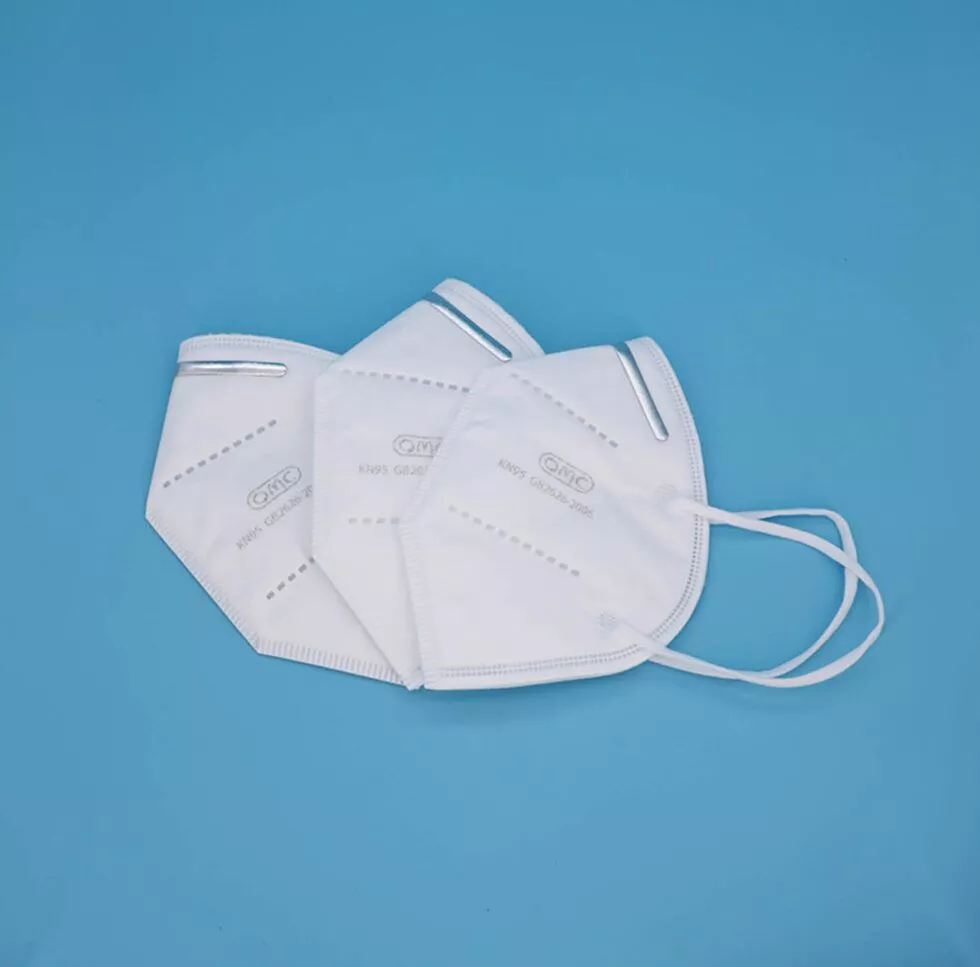
KN95s are generally considered the Chinese version of the North American N95, and should meet the GB 2626-2006 standard for industrial respirators. (There are surgical variants that meet the GB 19803-2010 standard, but you are unlikely to find these on the market currently.) Like the Canadian/US “N95,” you can find these respirators in other variants such as KN90, KN95, KN100, KP90, KP95, and KP100.
While the fabric of these respirators often achieves a similar filtering efficiency as the N95, these masks utilize an earloop design versus the Canada/US behind-the-head straps. This change results in a reduction in respirator fit, often making them less efficient.
Like the other filtering facepiece respirators, a perfect fit, and no facial hair, would be required to ensure a full seal of the respirator. Without a perfect seal, any gaps around the respirator would result in air bypassing the mask’s filtering fabric, greatly reducing its effectiveness.
While Health Canada has made a temporary allowance for KN95s in health-care settings if N95s are not available, these masks are not certified for industrial hazards in Nova Scotia at the time of this article. There has also been a large issue with a market for counterfeit KN95s, and without a regulating body to oversee these it is mostly left up to the consumer to try and find the real ones. If you are purchasing KN95s, be sure to do your research on the type you are purchasing to ensure they are of good quality and from a reputable vendor.
c) Other countries’ filtering facepiece respirators
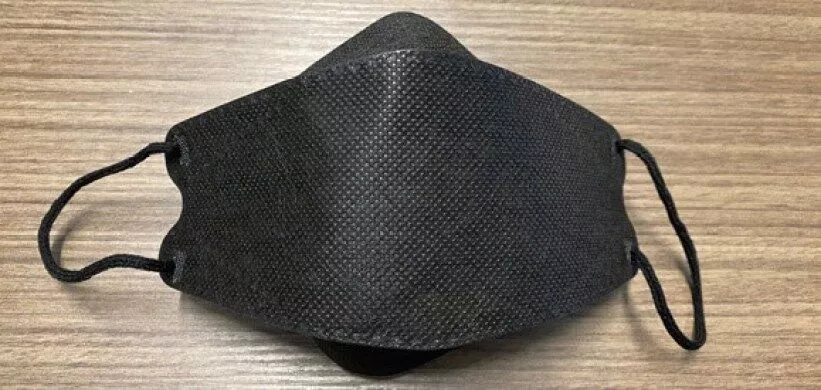
Standards for similar masks from other countries that you may find on the market currently includes South Korea’s KF94 respirator (KMOEL 2017-64), Europe’s FFP2/FFP3 respirators (EN 149:2001+A1:2009), Australia/New Zealand’s P2 respirator (AS/NZ 1716:2012), and Japan’s DS2 respirator (JMHLW-Notification 214, 2018). Pictured above is KF94.
An excellent comparison of the standards from each of these countries can be found here, but like the “N95”, and “KN95,” each of these masks would require a respiratory fit test to completely ensure a full seal.
In summary…
A mask’s effectiveness is a combination of both the fabric’s filtration capability and how well they fit your face. Face shape, as well as features such as facial hair, dramatically impact how a particular mask will seal against any given person’s face, and any gaps in a mask’s fit will dramatically lower their efficiency.
Even then, no PPE is 100% effective at preventing infection — this is the reason that they are the last hazard mitigation method that safety professionals rely on in the hierarchy of controls. Instead, it’s often more effective to control hazards at their source, so they do not reach anyone in the first place.
And all of the masks above can serve as effective source control — keeping COVID out of the air in the first place. This is why it is so important for us all to do our part and wear our masks, whatever type they may be.
So continue to wear a minimum of a three-layer mask while on campus and when in the public in general. Waer it properly, covering your nose and mouth fully. Make sure it fits you well without any gapping. Do not wear masks with exhalation valves in them, and be sure to change your mask out if it becomes damp or soiled since all mask types lose effectiveness when this occurs.
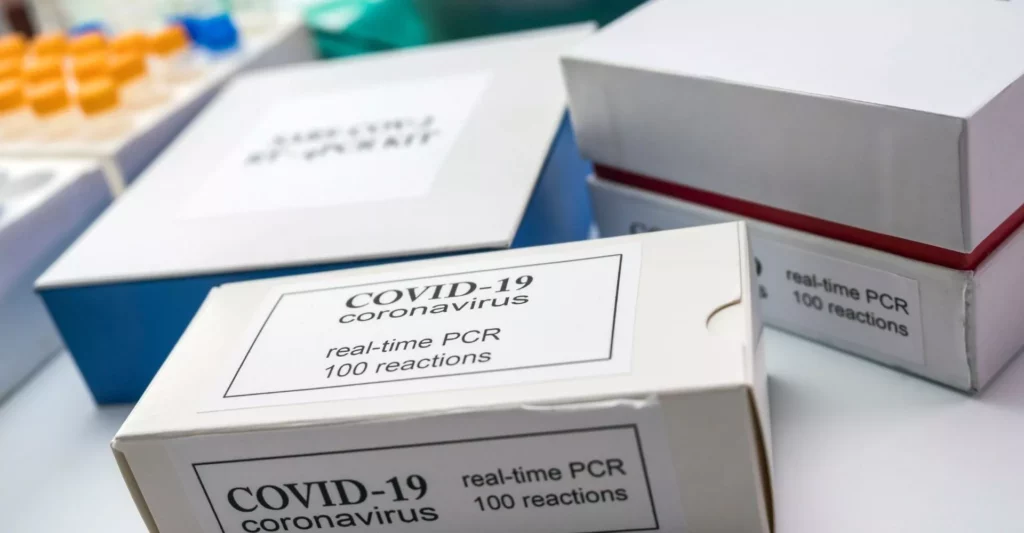
The Covid-19 pandemic has forced us all to accept responsibility for our personal health and safety, and the health of those around us. For senior executives and managers in the healthcare industry, it’s critical to ensure that all staff has access to the right personal protection equipment. At BargainPPE, we are dedicated to helping the healthcare industry and other businesses ensure that employees with symptoms of seasonal allergies or common cold are not suffering from Covid-19. Discover all the wholesale PPE Covid-19 test kit supplies available online from BargainPPE.com right now and take advantage of our free and prompt shipping.
Browse All Our Bulk Covid-19 Test Kit Supplies
Aside from providing healthcare and other businesses with high-quality gloves, gowns, face shields, and other PPE supplies, BargainPPE can provide bulk Covid-19 test kit supplies. If you’re looking for effective tests for your staff and those they care for several different brands and models are available through BargainPPE.
If you require a rapid-result positive or negative test result to allow admittance into a building or university, the Sienna COVID-19 Rapid Antigen Test is an excellent option. However, if you require wholesale Covid-19 test kit sales for individuals If you require a rapid-result positive or negative test result to allow admittance into a building or other location, the Sienna COVID-19 Rapid Antigen Test is an excellent option. However, if you require wholesale Covid-19 test kit sales for individuals who are at home in quarantine and are looking for a clear answer, the Abbott BINAXNOW™ COVID-19 ANTIGEN SELF-TEST Rapid Kits and iHealth COVID-19 Antigen Rapid Tests are also effective testing options. Both follow a simple DIY format and do not require a laboratory to receive results. Review all our wholesale PPE Covid-19 test kit supplies below to find the one that’s right for your organization!

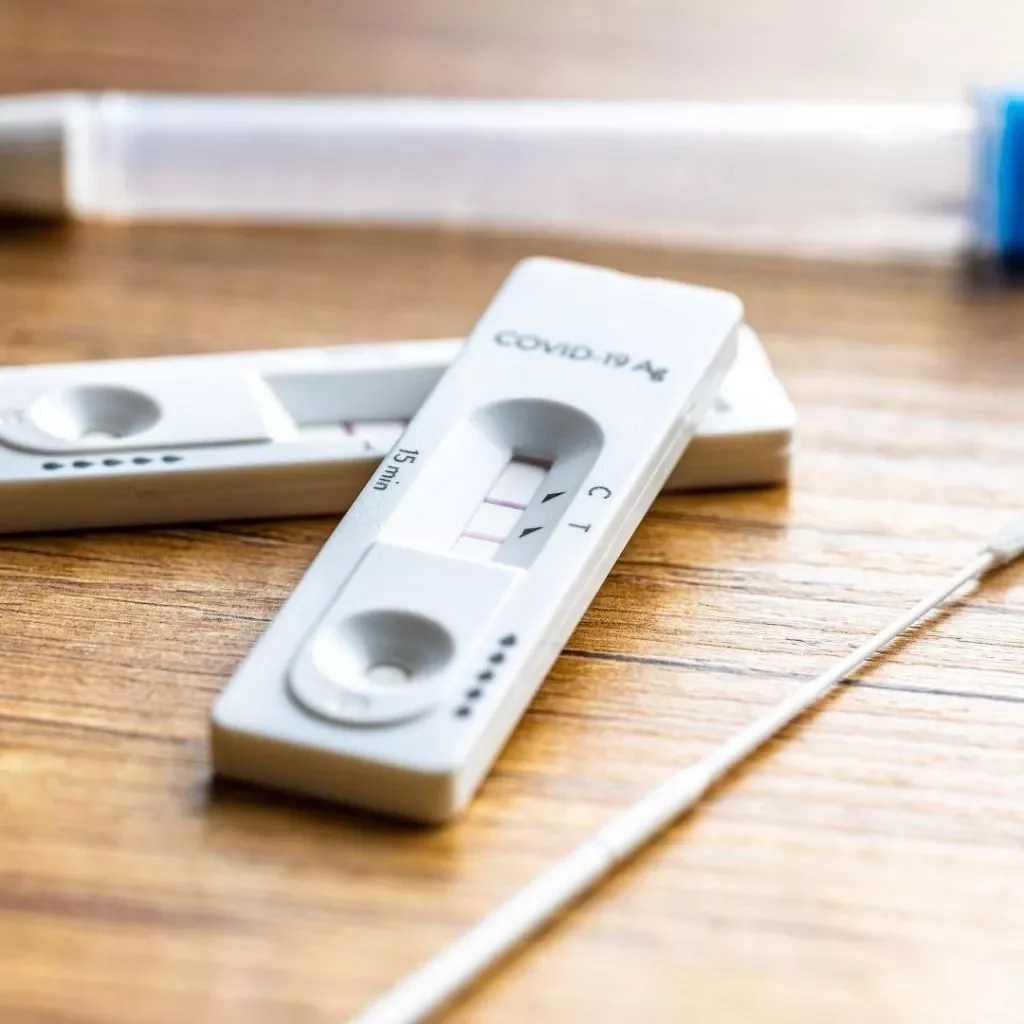
Receive Significant Price Reductions
BargainPPE’s bulk Covid-19 test kit supplies are designed to provide fast, accurate results for your peace of mind and will be shipped out promptly. Healthcare institutions and other businesses may require several test kits to be on hand for each member of their staff, families, and those they encounter, which translates to multiple cartons and even full pallets that Bargain PPE can provide. By purchasing Covid-19 test kits in bulk, we are able to pass the savings on to our customers, offering deep discounts not available from typical wholesale suppliers – even the largest Group Purchasing Organizations! Purchasing bulk Covid-19 test kit supplies through our organization means the more you buy, the more you save, thus providing a cost-effective solution for large businesses. On top of that, we also provide a 10 percent off coupon for all our first-time buyers!
Free Shipping to Healthcare and other Businesses
At BargainPPE, we believe in making wholesale PPE Covid-19 test kit supplies as widely available as possible. Whether a member of your staff has been exposed to someone who has tested positive for Covid-19 or is unsure if symptoms are due to a seasonal allergy or the common cold, it’s important to have a clear answer as soon as possible Helping to maintain the health and safety of employees is simply the right thing to do, in addition to making good business sense. Our wholesale Covid-19 test kit sales are available to ship to healthcare industry businesses throughout the country. For our customers in the U.S.A., free shipping is available for all orders!
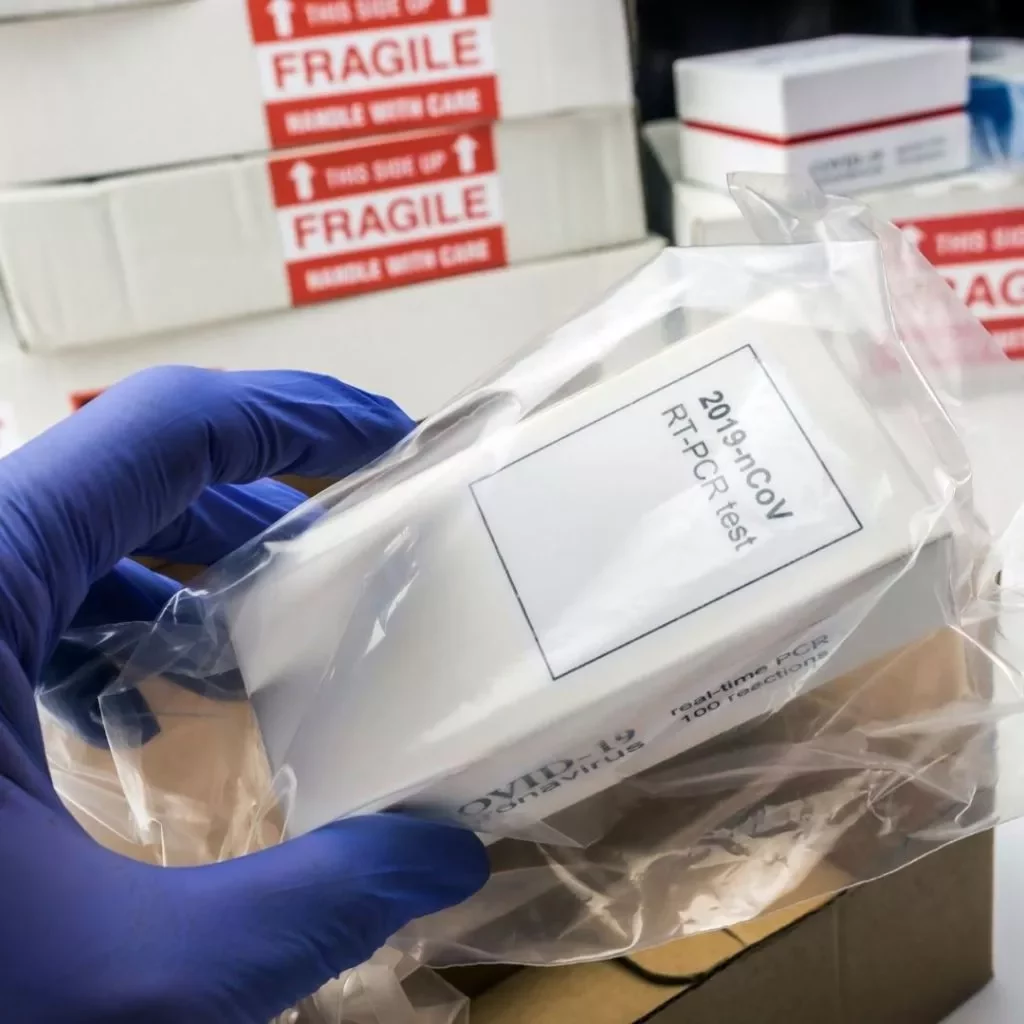

Choose BargainPPE For Wholesale PPE Covid-19 Test Kits and all your PPE Supplies
Keep your employees, clients, customers, and their family members safe with the help of BargainPPE’s wholesale Covid-19 test kit sales. And don’t forget to check BargainPPE.com for details on all the PPE supplies available from our company. We guarantee to provide you with test kits you can count on, giving you the important test results you need in no time at all. Browse all our different wholesale PPE Covid-19 test kit supplies options and choose the one that best fits your needs. If you’re looking for more information on our other BargainPPE supplies, check out our FAQs and other items listed for immediate delivery!
Looking to stock up on specialized PPE to meet your longer-term requirements, and for even bigger savings? Check out the extensive list of disposable PPE we can provide by the container load straight from the factory – under the heading Special Order Items.

The COVID-19 pandemic has changed the way citizens around the world think of face masks. Before 2019, it’s likely wholesale disposable mask sales were targeted primarily toward those in the healthcare industry: doctors, nurses, surgeons, etc. However, these defense tools against breathing in and breathing out harmful viruses have been thoroughly integrated into the lives of private citizens across Canada and the United States. Bargain PPE is here to be your partner in protecting both yourself and others around you with our wholesale PPE disposable mask supplies, designed to suit your exact needs. Discover how our wholesale disposable mask sales are benefiting health clinics, hospitals, nursing homes, and private citizens, and get 10 percent off your very first order with us!
View Our Available Wholesale PPE Disposable Mask Supplies
Having high-quality, well-constructed bulk disposable mask supplies on hand is ideal for both everyday use and emergencies. For hospital and nursing home staff, face masks and other forms of facial protection are likely to be used more often than not, both in the fight against COVID-19 and more common illnesses such as the flu. However, our Bargain PPE face masks are also capable of helping everyday homeowners and private citizens keep themselves and their family members safe. By investing in wholesale PPE disposable mask supplies, you can have the right equipment at any time to protect others close to you from contracting a contagious illness that you may be struggling with.

No matter if you’re purchasing from Bargain PPE for personal or professional reasons, it’s critical to understand exactly which area of our wholesale disposable mask sales best matches up with what you’re looking for. Our organization is proud to provide two different types of facial protection to buyers in both Canada and the United States: surgical masks and N95 masks. Our 3-Ply SURGICAL FACE MASK may be the right PPE product for you if you envision only needing it every once in a while; this product is only recommended for one-time use by the general public in large, crowded spaces, such as public transportation. By choosing these wholesale PPE disposable mask supplies, you can rest assured knowing you can have one wherever there’s an emergency.
On the other hand, Bargain PPE also provides various versions of the N95 face mask. If you’re likely to come into contact with air irritants and harmful, contagious airborne particles in your daily life — or are just looking for a little extra protection — different variations of the N95 can help. For example, the Makrite SEKURAN-95 Triple-Layer Disposable N95 Respirators that we have are incredibly durable and are designed to protect against larger, soil materials such as coal. If you’re a healthcare worker or want healthcare levels of respiration protection, the SEKURA-X Surgical N95 Disposable Particulate Respirator side of our wholesale disposable mask sales meets FDA requirements and NIOSH standards for everyone in medical settings. Check out all our different wholesale PPE disposable mask supplies here at Bargain PPE below and browse all their details for yourself:
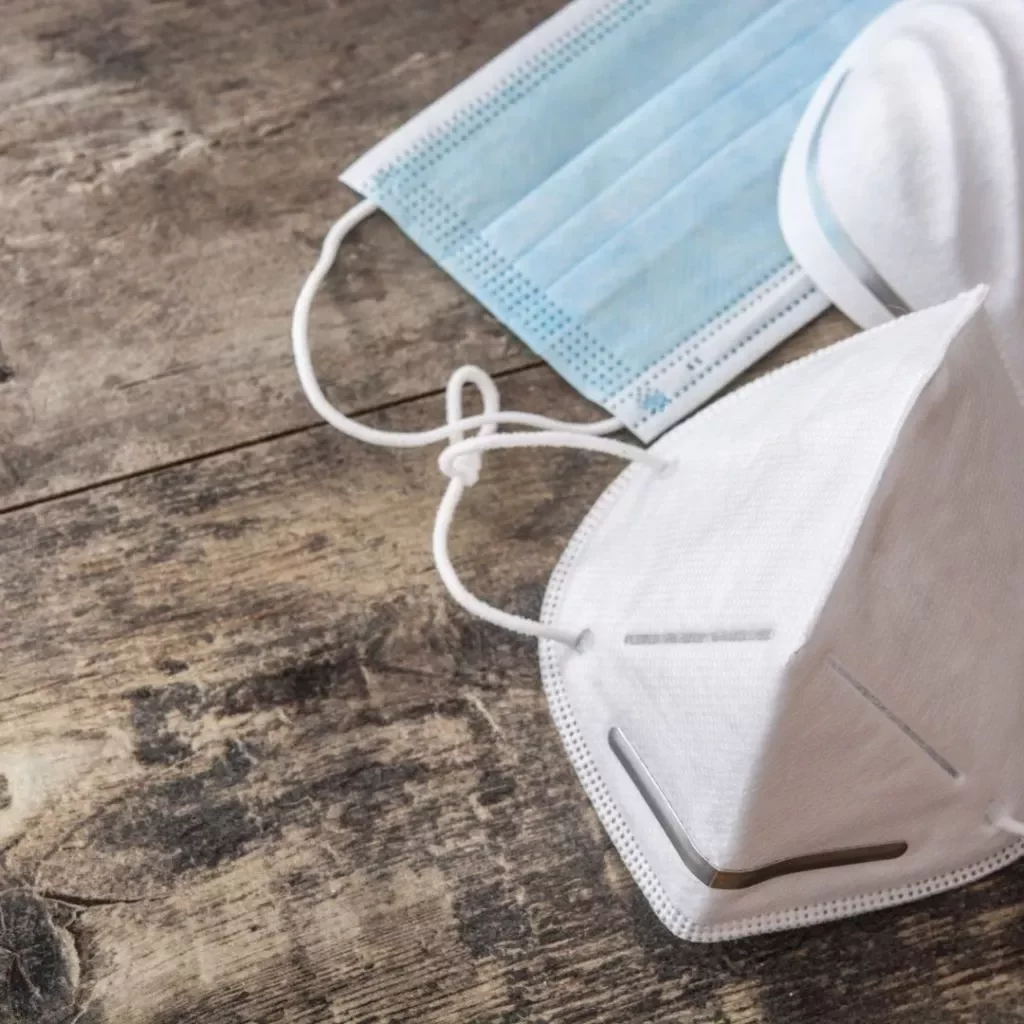
Canadian & U.S. Wholesale Disposable Mask Sales
Having the right household or workplace tools available at all times is important, especially because emergency or unusual circumstances can occur in very little time. Should you need to participate in wholesale disposable mask sales for professional or personal protection, Bargain PPE carries several different face mask products. It’s our mission to help distribute direct-from-manufacturer PPE supplies to help as many individuals as possible feel safe and be safe at all times; for this reason, we are proud to ship bulk disposable mask supplies to Canada and the United States. Not only that, but everyone has access to our wholesale PPE disposable mask supplies, including people who are:
- Private individuals
- Public figures
- General business owners or employees
- Healthcare industry employees
- Parents and family members
- Nursing home managers or employees
- And more!
Reap The Rewards of Purchasing Bulk Disposable Mask Supplies
Whether you’re stocking up and preparing for emergencies, or need more resources to take advantage of right now, Bargain PPE’s wholesale disposable mask sales are always cost-effective. If you’re a first-time buyer of our high-quality surgical or N95 face masks, we’re happy to offer a 10 percent off coupon when you place your order. However, for both returning customers and new customers, we’re able to provide bulk disposable mask supplies at affordable prices; the more you purchase from us, the more we’re able to provide discounts and help you save money. Our wholesale PPE disposable mask supplies are designed to make acquiring important, life-saving materials much more affordable and therefore accessible. In fact, all our face masks are ready for immediate shipping!

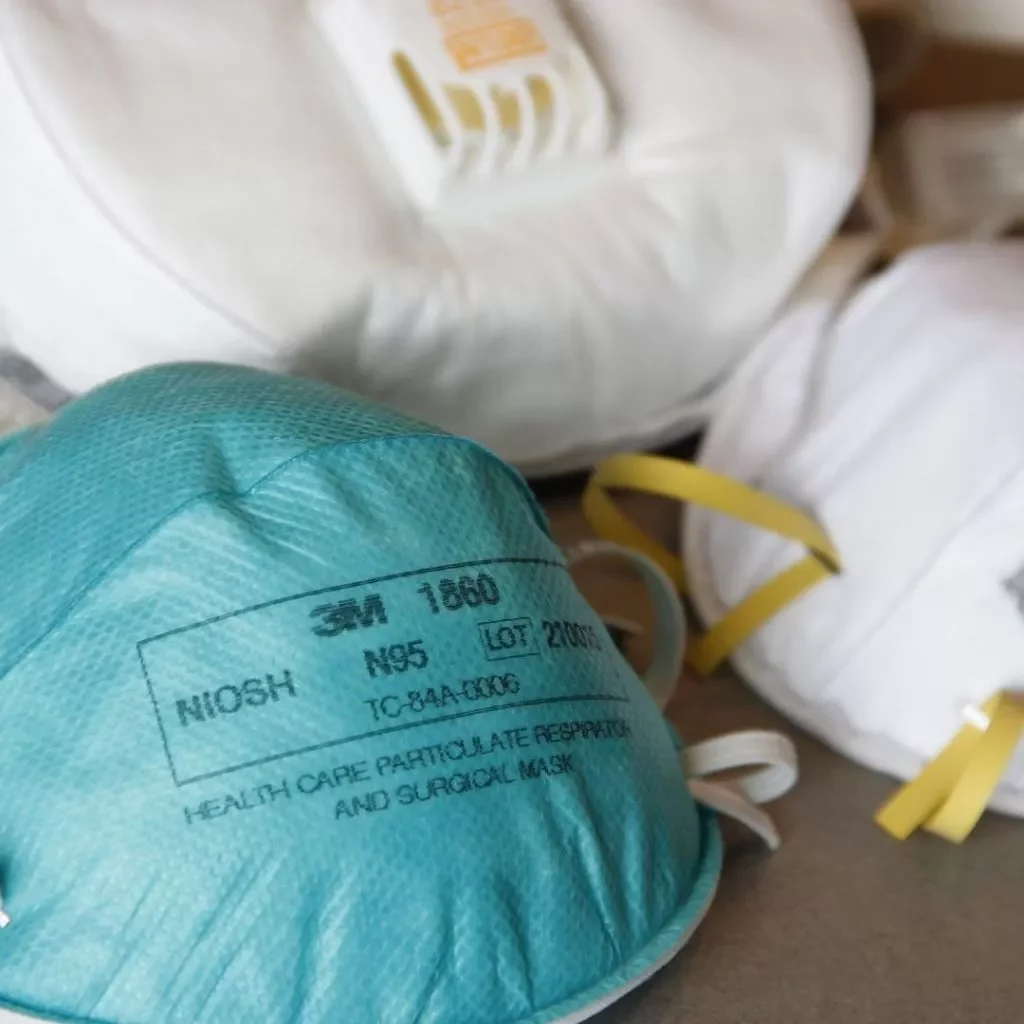
Partner With Bargain PPE For Wholesale PPE Disposable Mask Supplies
In both a COVID-19 pandemic world and post-COVID-19 pandemic world, doing everything possible to protect your health and wellness is of the highest priority. This is especially the case if you spend large amounts of time around immunocompromised individuals or individuals who are sick. Bargain PPE is proud to be your partner when it comes to purchasing bulk disposable mask supplies, whether it’s for professional or personal reasons. We invite you to browse through all our available PPE equipment — face masks, COVID-19 test kits, disinfectant wipes, and more — and place your own order today!

As a business, it is your responsibility to ensure the safety of your employees. This means providing them with the necessary Personal Protective Equipment (PPE) to keep them safe and protected on the job. At Bargain PPE, we are proud to be a leading wholesale supplier of PPE supplies. We offer bulk discounts on all of our products, so you can get the protection your employees need at a price you can afford. In this blog post, we will discuss the many ways that our wholesale PPE supply company can help protect your employees!
We Offer the Best Bulk PPE Products
Protecting your employees shouldn’t mean that you have to sacrifice quality when it comes to personal protective equipment. At Bargain PPE, we only source the best PPE products from reputable manufacturers. This includes face shields, disinfectant wipes, nitrile gloves, isolation gowns, masks, and more. All of our products meet or exceed industry safety standards, so you can rest assured that your employees are getting the protection they need.


We Offer the Best Prices
In addition to offering the best quality products, we also offer the best prices on wholesale PPE. We understand that as a business, you need to be able to get the most bang for your buck when it comes to protecting your employees. That’s why we offer bulk wholesale prices on all of our products! With our special discounts, you can be confident that the more you buy, the more you’ll save!
We Offer Shipping From USA Warehouses
All of our products are shipped from USA warehouses. This means that you can get your PPE supplies faster and with less hassle. We know that when it comes to protecting your employees, time is of the essence. That’s why we offer quick and easy shipping on all of our products!


Immediate Shipping for Clinics, Hospitals, and Nursing Homes
If you are a clinic, hospital, or nursing home in need of PPE supplies, we offer immediate shipping on all orders! We understand that these facilities are on the front lines of the fight against COVID-19 and other diseases. That’s why we offer quick and easy shipping to ensure that you get the supplies you need as soon as possible!
10% Discount Coupon for First-Time Buyers
As a special bonus for our first-time buyers, you can enjoy a 10% discount coupon as a new subscriber! You’ll also be the first to know about our new products, special offers, and new promotions. It’s just one more way for us to thank you for your business and recognize that we’re all in this together!

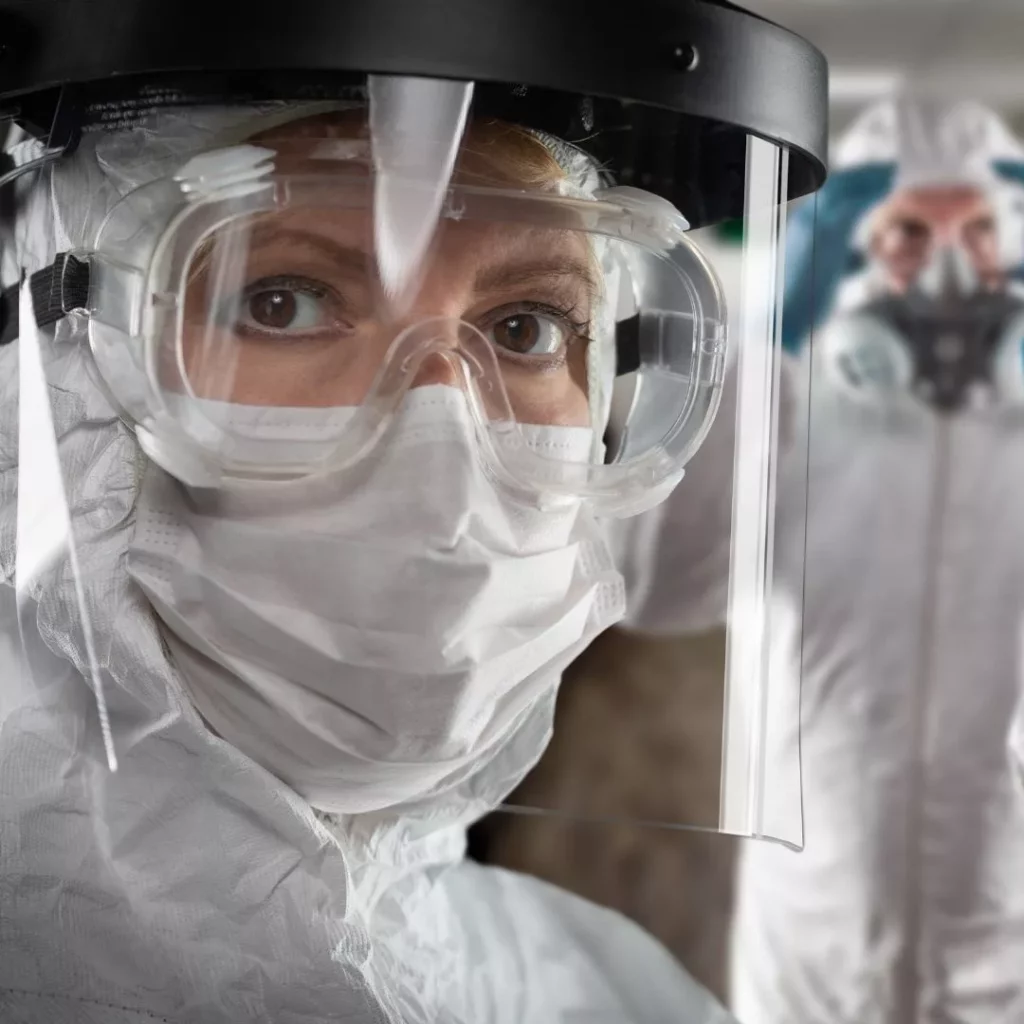
Wholesale PPE Supplies Available Right Now
Here are just a few of the high-quality wholesale PPE supplies that we can deliver to your business right away!