



Description
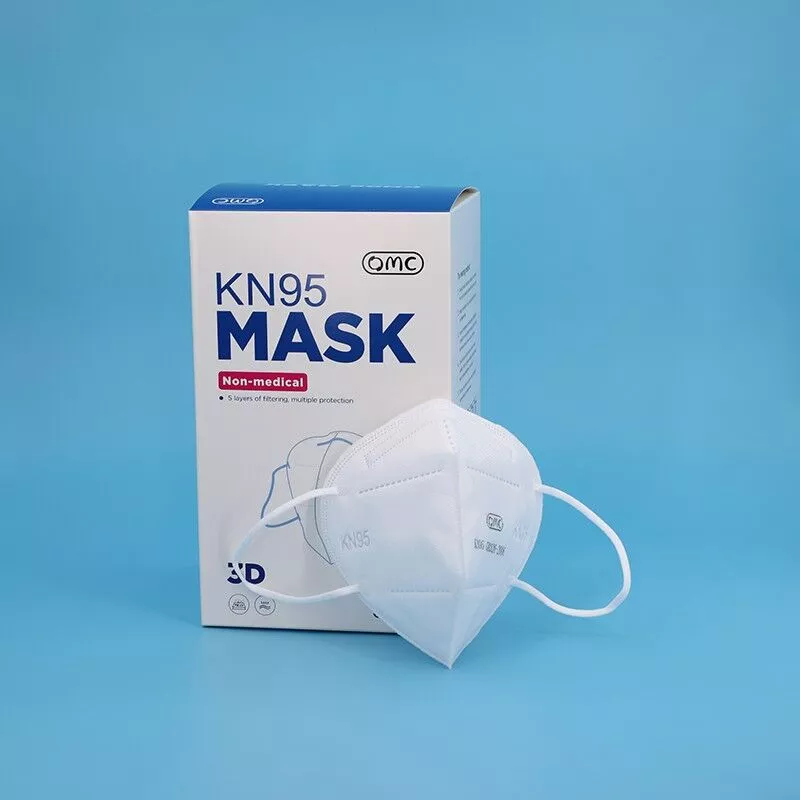
Filtering Respirator Mask, also called disposable respirators, are subject to various regulatory standards worldwide (see examples below). Since N95 and KN95 Face Mask are rated to capture 95% of 0.3-micron particles, people will often assume that masks can’t capture particles smaller than 0.3 microns. For example, here’s an infographic in the South China Morning Post claiming just this. They even go so far as to say “N95 respirators protect the wearer from breathing in particles bigger than 0.3 microns in diameter.” 3M released a Technical Bulletin in January 2020 regarding the Comparison of FFP2, KN95 Face Mask, and N95 and Other Filtering Facepiece Respirator Classes. Based on this comparison, it is reasonable to consider China KN95, as “equivalent” to US NIOSH N95 and European FFP2 respirators, for filtering non-oil-based particles such as those resulting from wildfires, PM 2.5 air pollution, volcanic eruptions, or bioaerosols (e.g. viruses). However, that’s not true. Masks are actually more effective at capturing smaller particles than many people believe. Empirical data finds that masks are actually highly effective at capturing smaller particles. Both ratings require masks to be tested for filtration efficiency at capturing salt particles (NaCl). Both are tested at a flow rate of 85 L/minute. However, there are some differences between N95 and KN95, highlighted here. N95/KN95/FFP2 respirators are commonly recommended by health authorities during pandemics or emergencies. They are not the same, but respirators certified as meeting these standards can be expected to function similarly.
• N95 (United States NIOSH-42CFR84)
• KN95 (China GB2626-2006)
• FFP2 (Europe EN 149-2001)
Technical Details & Certificates
Learn More About KN95 Mask Entrusted Inspection Report
FFP2 CE Certification Learn More About KN95 Mask
More Information
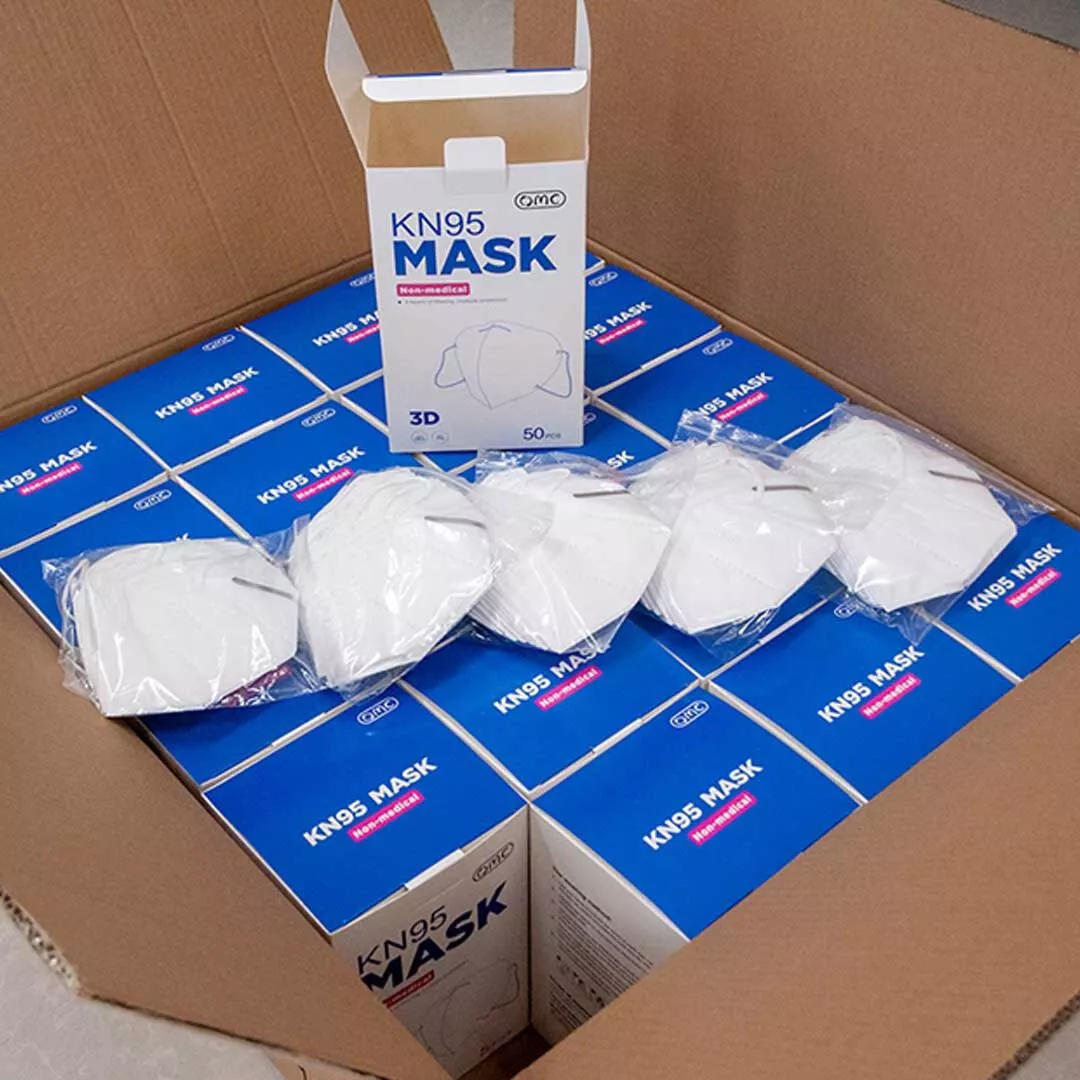
1 Box= 10pcs
100 Boxes= 1 Carton
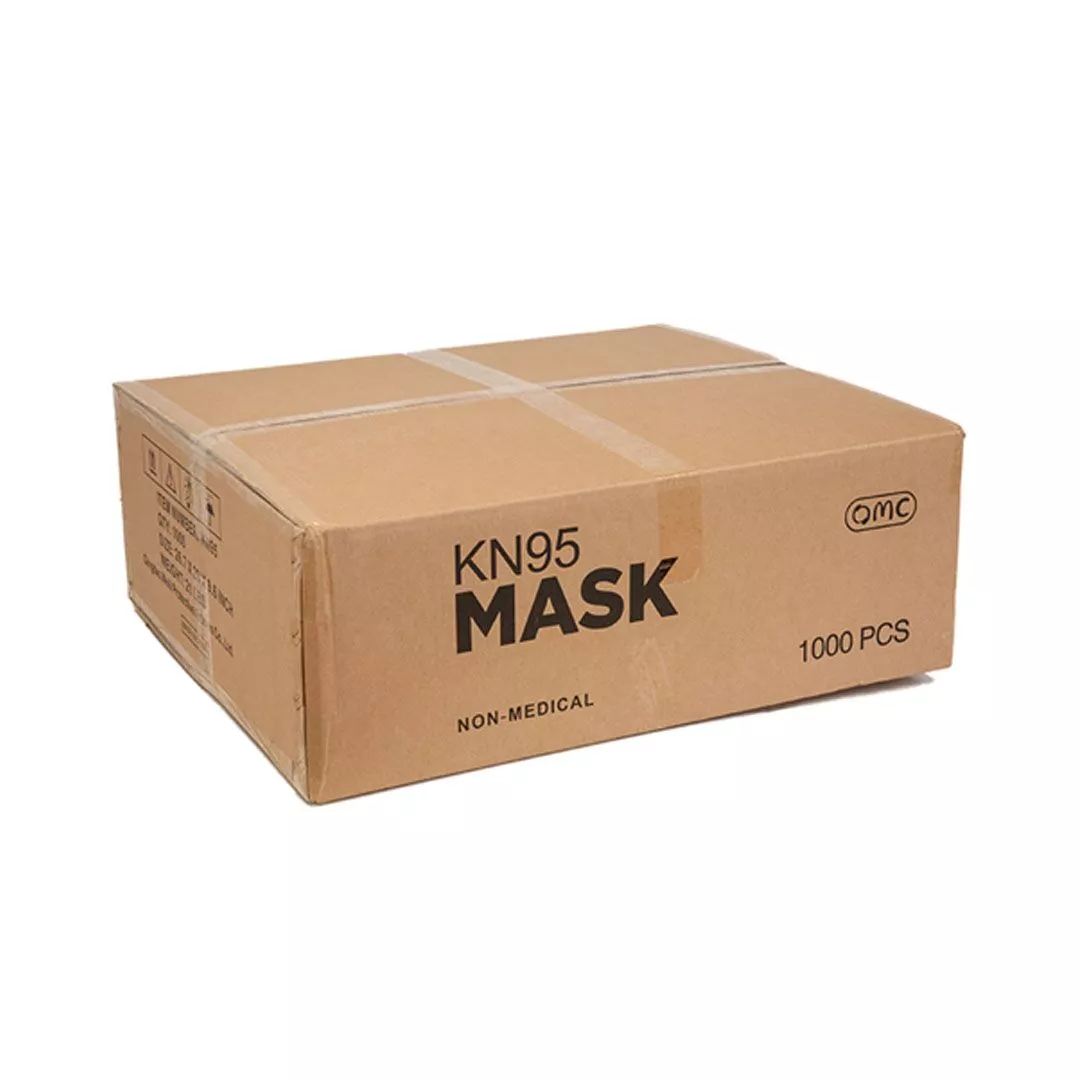
1 Carton= 1000 pcs / 100 Boxes


Reviews
There are no reviews yet.